As Florida continues to experience rapid growth and rising energy demands, homeowners and businesses are looking for smarter, more sustainable power solutions. At Thomas Edison Electric, we help clients explore renewable options that go beyond solar panels. One solution gaining attention is biomass energy. If you have been searching for an electrician near me to guide you toward cleaner energy, biomass may be worth considering.
Unlike traditional fossil fuels, biomass uses organic materials to generate power in a more environmentally responsible way. Therefore, it offers Florida property owners a practical path toward efficiency and sustainability.
What Is Biomass Energy and Why It Matters in Florida
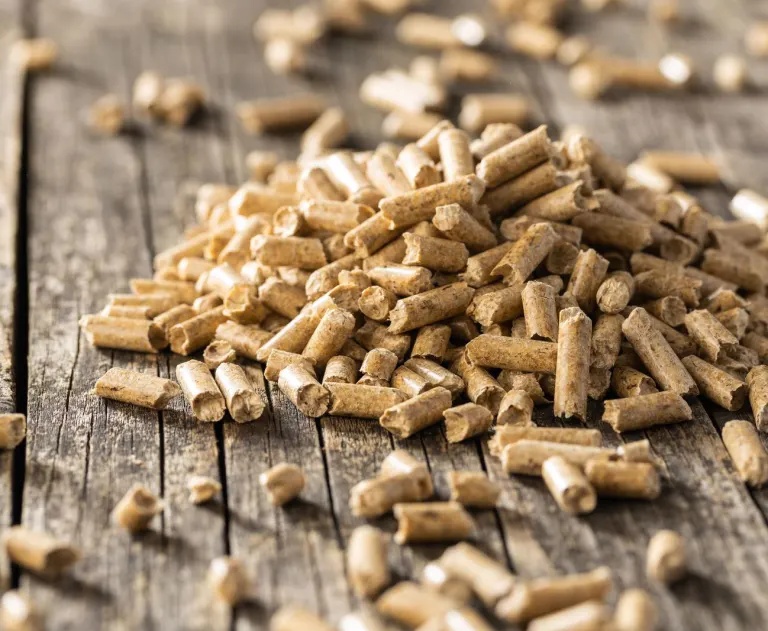
Biomass energy comes from organic materials such as wood waste, agricultural byproducts, and biodegradable waste. These materials are converted into heat, electricity, or fuel through processes like combustion or anaerobic digestion.
In Florida, biomass has unique advantages due to the state’s agricultural industry and year-round vegetation. For example, yard waste, crop residues, and even food processing byproducts can be repurposed into energy. Consequently, this reduces landfill waste while creating a renewable energy source.
Another key benefit is its carbon-neutral potential. While biomass releases carbon dioxide during use, the organic materials absorb similar amounts during growth. As a result, it creates a more balanced environmental impact compared to fossil fuels.
Types of Biomass Energy Systems an Electrician Near Me Can Install
Not all biomass systems are the same. The right solution depends on your property, energy needs, and available resources. At Thomas Edison Electric, we help Florida clients evaluate the most practical options.
Wood and yard waste are among the most common sources. Tree trimmings, storm debris, and landscaping waste can be converted into fuel for heating or electricity. Given Florida’s frequent storms and hurricanes, this resource is often readily available.
Agricultural residues also play a major role. Materials from crops like sugarcane, citrus, and corn can be repurposed into biomass fuel. Therefore, rural and agricultural properties often benefit the most from these systems.
Organic waste is another valuable source. Food waste and animal byproducts can be processed into biogas, which can power homes or commercial operations. This option is especially useful for farms, restaurants, and food production facilities.
Energy crops, such as fast-growing grasses, can also be cultivated specifically for biomass production. However, this approach requires planning and space, making it more suitable for larger properties.
Benefits of Biomass Energy for Florida Homes and Businesses
Biomass energy offers several advantages that align well with Florida’s environment and energy needs. First, it helps reduce reliance on traditional power sources, which is especially important during peak summer demand. Consequently, you can lower your energy bills while improving efficiency.
Second, biomass supports waste reduction. Instead of sending organic materials to landfills, you can convert them into usable energy. This is particularly beneficial in Florida, where storm cleanup generates large amounts of debris.
Third, biomass systems can integrate with existing infrastructure. In many cases, we can connect these systems to your current electrical or heating setup with minimal disruption. Therefore, upgrading to biomass does not require a complete overhaul of your property.
Additionally, biomass can provide a level of energy independence. During severe weather events, having an alternative energy source can help maintain critical operations. This added resilience is a major advantage in hurricane-prone areas.
Important Considerations Before Installing Biomass Systems
While biomass energy is promising, it is important to evaluate a few key factors before moving forward. Storage is one consideration, as biomass materials can take up space and require proper handling to prevent moisture damage in Florida’s humid climate.
Maintenance is another factor. Biomass systems require regular upkeep to ensure efficiency and prevent buildup. However, with professional support, these systems can operate reliably for years.
Air quality is also important. Although biomass is cleaner than fossil fuels, improper systems can produce emissions. Therefore, we always recommend high-efficiency equipment with proper controls to meet Florida regulations.
Working with an experienced team like ours ensures that your system is installed correctly and optimized for long-term performance.
Why Work with an Electrician Near Me for Biomass Installation
Choosing the right professional is essential when exploring renewable energy. At Thomas Edison Electric, we bring extensive experience in both traditional and alternative energy systems. We understand how Florida’s climate, building codes, and energy demands impact installation and performance.
Our electricians handle everything from initial assessments to full system integration. We design solutions tailored to your property, ensuring safety, efficiency, and compliance. As a result, you can move forward with confidence, knowing your investment is built to last.
If you are unsure whether biomass is right for you, we can provide a detailed evaluation and recommend the best path forward.
A Smarter Energy Future Starts Today
Transitioning to renewable energy does not have to be complicated. With the right guidance, biomass can become a valuable part of your overall energy strategy. Whether you want to reduce costs, increase resilience, or lower your environmental impact, our team is here to help.
Stop searching for an electrician near me and partner with experts who understand Florida’s unique energy challenges. Contact Thomas Edison Electric today to explore biomass solutions and discover how we can power your home or business more efficiently.