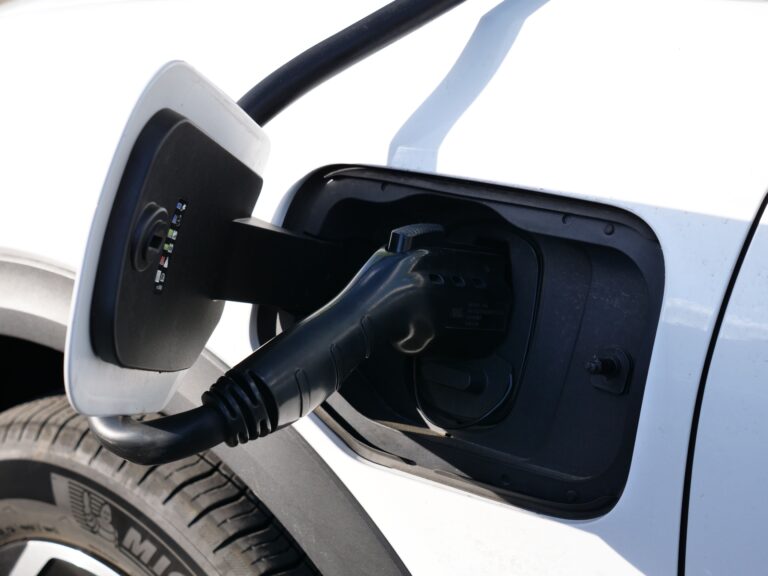

Installing a home EV charger is one of the best ways to make electric vehicle ownership more convenient. With a professionally installed Level 2 charger, you can charge your vehicle overnight, reduce your reliance on public charging stations, and enjoy the peace of mind that comes with knowing your car is ready whenever you need it.
However, not every EV charger installation goes as planned. Homeowners who rush the process or overlook important details may end up with safety concerns, unexpected expenses, or charging systems that don’t perform as expected.
If you’re considering installing a home EV charger, avoiding these common mistakes can help ensure your investment provides years of reliable performance.
Choosing the Wrong Charger
One of the first mistakes homeowners make is assuming every EV charger is the same.
While most modern Level 2 chargers perform the same basic function, they vary in charging speed, smart features, weather resistance, and compatibility with different vehicles. Some chargers are better suited for indoor garages, while others are designed to withstand Florida’s heat, humidity, and frequent rain.
Choosing the right charger depends on your vehicle, where you park, and how you plan to use your charging station. An experienced electrician can help you select equipment that fits both your current needs and future plans.
Assuming Your Electrical Panel Can Handle It
Many homeowners don’t realize that a Level 2 EV charger places a significant demand on their home’s electrical system.
Before installation begins, your electrical panel should be evaluated to determine whether it has enough available capacity for a dedicated 240-volt circuit. While many newer Florida homes can accommodate an EV charger without issue, older homes may require panel upgrades before installation.
Skipping this step can overload your electrical system, lead to nuisance breaker trips, or create unnecessary wear on your electrical equipment.
A professional load calculation helps ensure your home is ready for the additional demand.
Trying to Save Money with DIY Installation
With countless online tutorials available, some homeowners are tempted to install an EV charger themselves.
While replacing a light fixture may be a manageable DIY project, installing a Level 2 charger is considerably more complex. It requires running a dedicated circuit, properly sizing wiring and breakers, ensuring code compliance, and safely connecting the charger to your home’s electrical system.
Mistakes made during installation can lead to electrical hazards, damage to your charging equipment, or expensive repairs down the road.
Hiring a licensed electrician helps ensure the installation is completed safely and correctly the first time.
Installing the Charger in the Wrong Location
Convenience should play a major role when selecting a location for your EV charger.
Some homeowners focus only on minimizing installation costs and choose a location close to the electrical panel without considering how they actually park their vehicle. Others install the charger where the cable barely reaches the charging port or where it creates a tripping hazard across a walkway.
Taking time to choose the right location can make charging much easier every day. A professional electrician will evaluate your parking habits, recommend the most practical mounting location, and help ensure the charger remains accessible for years to come.
Overlooking Florida’s Climate
Florida’s weather creates unique challenges for outdoor electrical equipment.
High humidity, frequent thunderstorms, intense sunlight, and heavy rainfall can all affect charging equipment if it’s not designed for outdoor use. Coastal homes also experience salt air that can accelerate corrosion over time.
If your charger will be installed outdoors, it’s important to choose weather-resistant equipment that’s designed to perform in Florida’s climate.
Professional installation also ensures outdoor electrical connections are properly sealed and protected from moisture intrusion.
Ignoring Future Needs
Many homeowners install an EV charger based solely on the vehicle they own today.
However, electric vehicle ownership continues to grow, and many families eventually purchase a second EV. Others add new electrical equipment such as standby generators, pools, heat pumps, or home additions that increase overall electrical demand.
Planning ahead during your initial EV charger installation can make future upgrades much easier. Your electrician may recommend electrical equipment or installation methods that provide additional flexibility as your household’s needs evolve.
Thinking long-term often saves both time and money later.
Skipping Permits and Professional Inspections
Some homeowners are surprised to learn that EV charger installations often require permits and must comply with local electrical codes.
Permits aren’t simply paperwork: they help ensure electrical work meets established safety standards and is completed correctly.
Working without permits or hiring an unlicensed contractor may create complications if you sell your home in the future or need to file an insurance claim involving electrical work.
Professional electricians understand local requirements and complete installations according to applicable codes, giving homeowners confidence that the work has been done properly.
Focusing Only on Price
Everyone wants to save money on home improvement projects, but choosing an installer based solely on the lowest price isn’t always the best decision.
A low estimate may not include electrical upgrades that become necessary during installation, higher-quality materials, or the experience needed to troubleshoot unexpected issues.
When comparing estimates, it’s important to consider the installer’s qualifications, reputation, warranty, and commitment to completing the work safely.
A properly installed EV charger should provide reliable service for many years, making quality workmanship well worth the investment.
Work with Experienced Professionals
Installing a home EV charger is a significant upgrade that should make your life easier, not create unnecessary headaches.
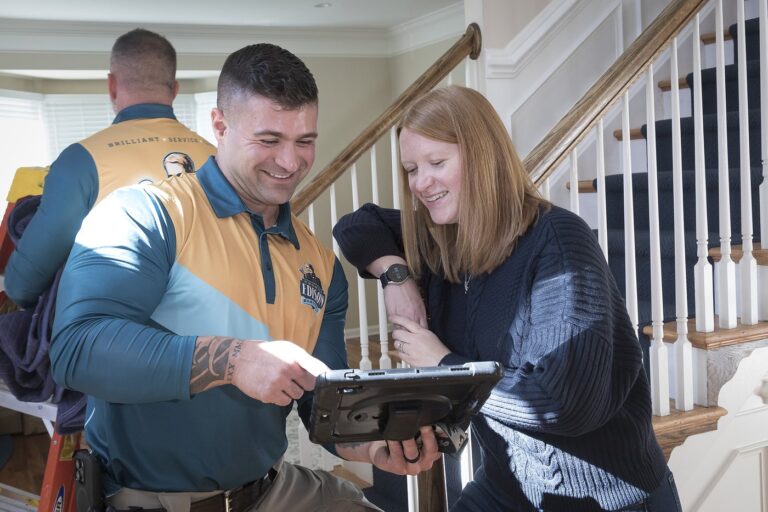
Working with a licensed electrician ensures your home’s electrical system is properly evaluated, your charger is correctly installed, and every aspect of the project complies with current electrical codes. Professional installation also helps maximize charging performance while protecting both your home and your vehicle.
Whether you’re installing your first EV charger or upgrading an existing charging station, experienced guidance can make the entire process smoother and more efficient.
Choose Thomas Edison Electric for Professional EV Charger Installation in Florida
Avoiding common installation mistakes starts with choosing the right electrical contractor.
Thomas Edison Electric proudly provides professional EV charger installation services for homeowners throughout Florida. Our experienced electricians can evaluate your electrical panel, recommend the right charging equipment, identify the ideal installation location, and complete a safe, code-compliant installation designed for Florida’s unique climate.
If you’re ready to enjoy the convenience of charging your electric vehicle at home, contact Thomas Edison Electric today to schedule your consultation. We’ll help you avoid costly mistakes and ensure your EV charger delivers dependable performance for years to come.