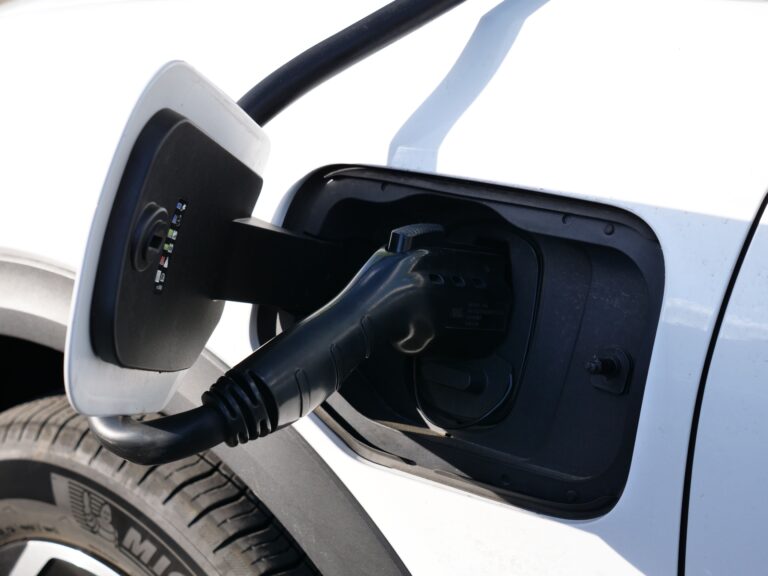
Electric vehicles have become a practical choice for more Florida homeowners than ever before. As charging technology continues to improve and more drivers discover the convenience of owning an EV, many are choosing to install a Level 2 EV charger at home. Before that charger can be installed, however, there’s one important question to answer: Can your home’s electrical panel handle the additional demand?
Your electrical panel is the heart of your home’s electrical system. It distributes electricity throughout the house and protects your circuits from overloads. While many homes are already equipped to support a Level 2 EV charger, others may require electrical upgrades to ensure safe, reliable operation.
If you’re considering installing a home charging station, here’s what you should know about your electrical panel and why a professional evaluation is an important first step.
What Does an Electrical Panel Do?
Every light switch, outlet, appliance, and electrical device in your home receives power through the electrical panel. The panel distributes electricity from the utility company to individual circuits while using circuit breakers to protect those circuits from carrying more electricity than they’re designed to handle.
As modern homes continue adding new technology, electrical demand continues to grow. Air conditioning systems, electric water heaters, pools, home offices, smart appliances, and now electric vehicle chargers all rely on the same electrical panel.
When too many electrical demands are placed on an older or undersized panel, it may struggle to safely support additional equipment.
Why EV Chargers Require More Power
Most homeowners who install an EV charger choose a Level 2 charging system because it offers dramatically faster charging than a standard household outlet.
Unlike a Level 1 charger, which plugs into a standard 120-volt outlet, a Level 2 charger operates on a dedicated 240-volt circuit. That higher voltage allows your vehicle to recharge much more quickly, but it also requires significantly more electrical capacity.
Because EV chargers draw a substantial amount of power for several hours at a time, they cannot simply be connected to an existing outlet. Instead, they require their own dedicated circuit that has been properly sized for the charger’s electrical requirements.
Signs Your Electrical Panel May Need an Upgrade
Not every home requires a new electrical panel before installing an EV charger. In fact, many newer homes already have enough available capacity to support one.
However, older homes throughout Florida may have electrical systems that were designed decades before electric vehicles became common. If your electrical panel is already operating near its capacity, adding an EV charger could require an upgrade.
Some signs that your electrical system may need attention include frequent breaker trips, flickering lights when large appliances start, a panel that is completely full with no room for additional breakers, or an older electrical panel that has never been updated.
Even if you haven’t experienced any of these issues, a professional evaluation is still recommended before installing an EV charger.
What Happens During an Electrical Evaluation?
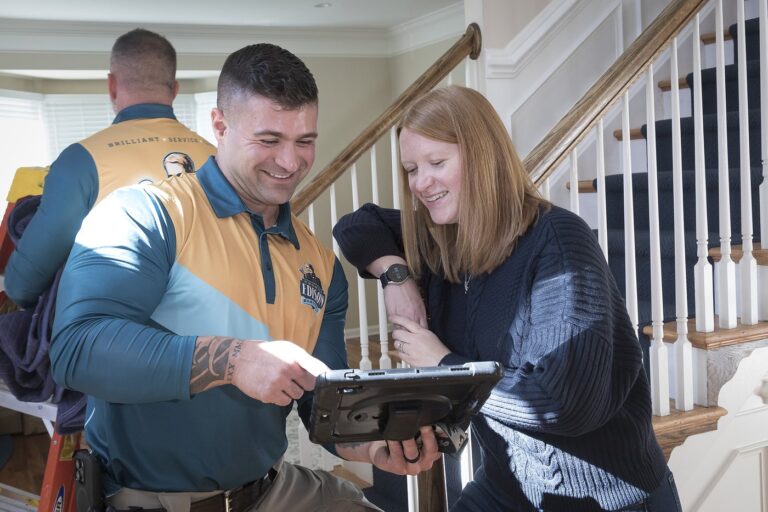
Before recommending a charger, a licensed electrician will inspect your home’s electrical system to determine whether it can safely support the additional load.
This evaluation typically includes reviewing the size of your electrical service, examining the panel for available breaker space, calculating your home’s current electrical demand, and identifying the best location for the charging equipment.
Rather than making assumptions based on the age of your home, the electrician performs a detailed load calculation to determine how much additional capacity is available.
If your panel has sufficient capacity, installation may be relatively straightforward. If not, your electrician can recommend the safest path forward.
When Is a Panel Upgrade Necessary?
If your electrical panel cannot safely support the additional demand of a Level 2 charger, upgrading the panel may be the best long-term solution.
While some homeowners initially view a panel upgrade as an unexpected expense, it often provides benefits beyond EV charging. A modern electrical panel can better support today’s appliances while preparing your home for future additions such as standby generators, electric water heaters, heat pumps, hot tubs, or additional electric vehicles.
As more homeowners adopt energy-efficient technologies, having a properly sized electrical panel becomes increasingly valuable.
Why Florida Homeowners Should Think Ahead
Florida homes often place significant demands on their electrical systems throughout the year. Air conditioners run for much of the year, pool equipment operates daily, and hurricane preparedness often includes standby generators or backup power systems.
Adding an EV charger means introducing another high-demand electrical appliance into an already busy system.
Planning ahead helps ensure your home’s electrical infrastructure can handle not only your current needs but also future upgrades. Even if you only own one electric vehicle today, many households eventually purchase a second EV, making electrical capacity even more important.
Investing in your home’s electrical system now can help prevent limitations later.
Don’t Overlook Safety
Installing an EV charger involves much more than connecting a few wires. Proper installation requires selecting the correct breaker size, using wiring that matches the electrical load, installing a dedicated circuit, and ensuring every component complies with current electrical codes.
An overloaded electrical panel can increase wear on your electrical system and may create safety concerns if it isn’t properly evaluated before installation.
Working with a licensed electrician helps ensure your charger operates safely while protecting your home’s electrical infrastructure.
Professional Installation Protects Your Investment
Your electric vehicle represents a significant investment, and your charging equipment should provide dependable performance for years to come.
Professional installation helps ensure your charger performs as intended while reducing the likelihood of future electrical issues. An experienced electrician understands how to properly size circuits, verify electrical capacity, obtain any required permits, and complete a code-compliant installation.
The result is a charging system that delivers reliable performance every time you plug in your vehicle.
Trust Thomas Edison Electric for EV Charger Installation in Florida
Whether you’re purchasing your first electric vehicle or upgrading your current charging setup, the first step is making sure your home’s electrical system is ready.
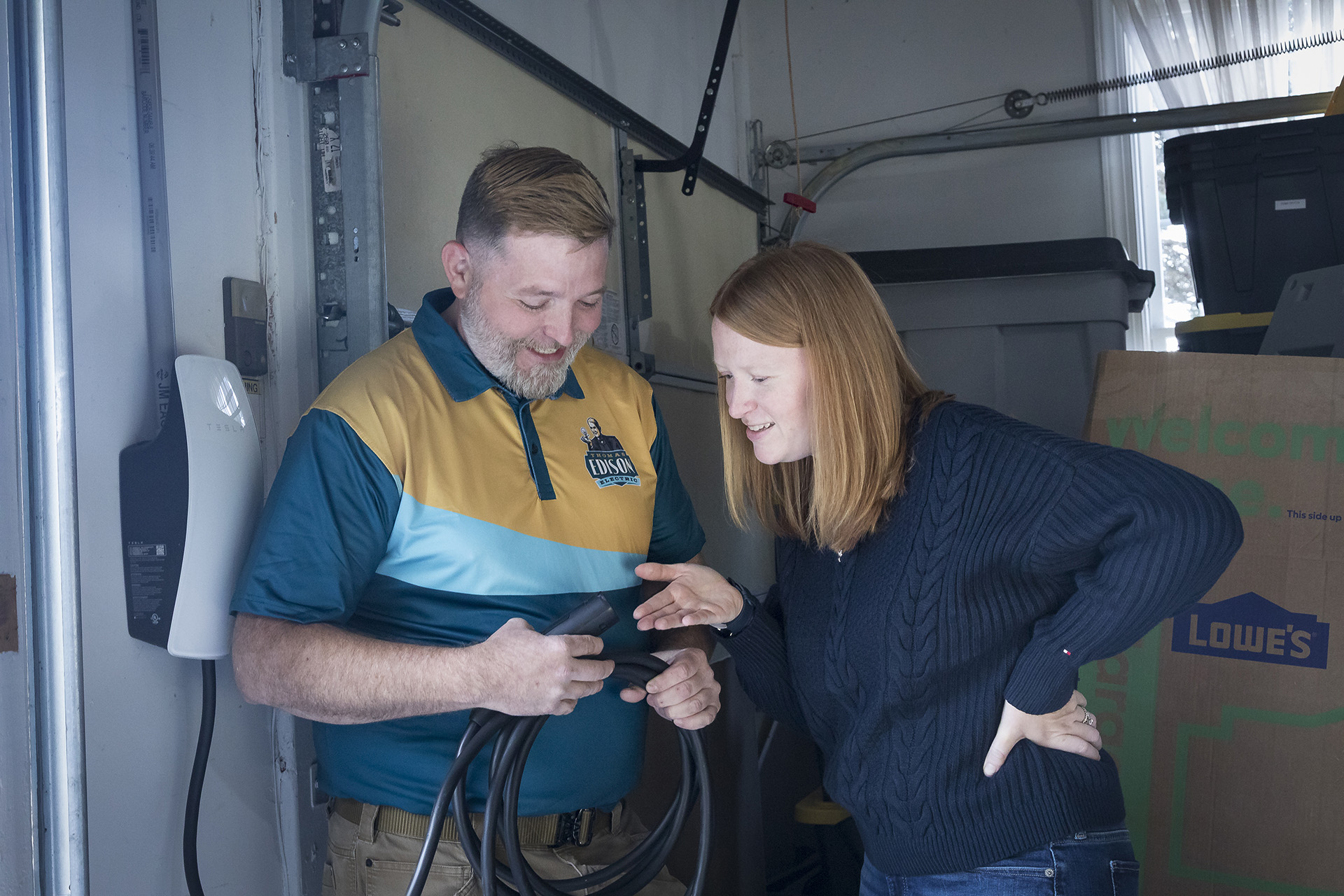
Thomas Edison Electric proudly provides professional EV charger installation and electrical panel evaluations for homeowners throughout Florida. Our experienced electricians can determine whether your current panel has enough capacity, recommend upgrades if needed, and install your Level 2 charger safely and efficiently.
If you’re ready to enjoy the convenience of faster home charging, contact Thomas Edison Electric today to schedule an EV charger consultation. We’ll help ensure your electrical system is ready to power your vehicle safely for years to come.