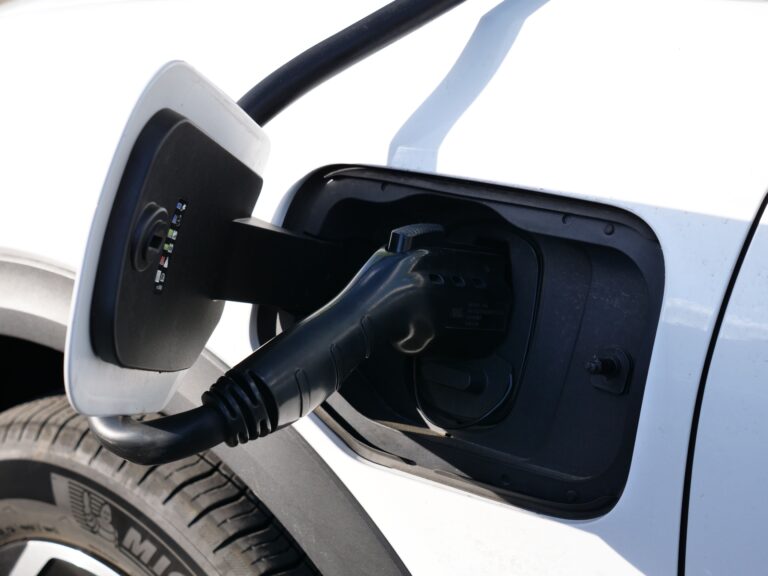
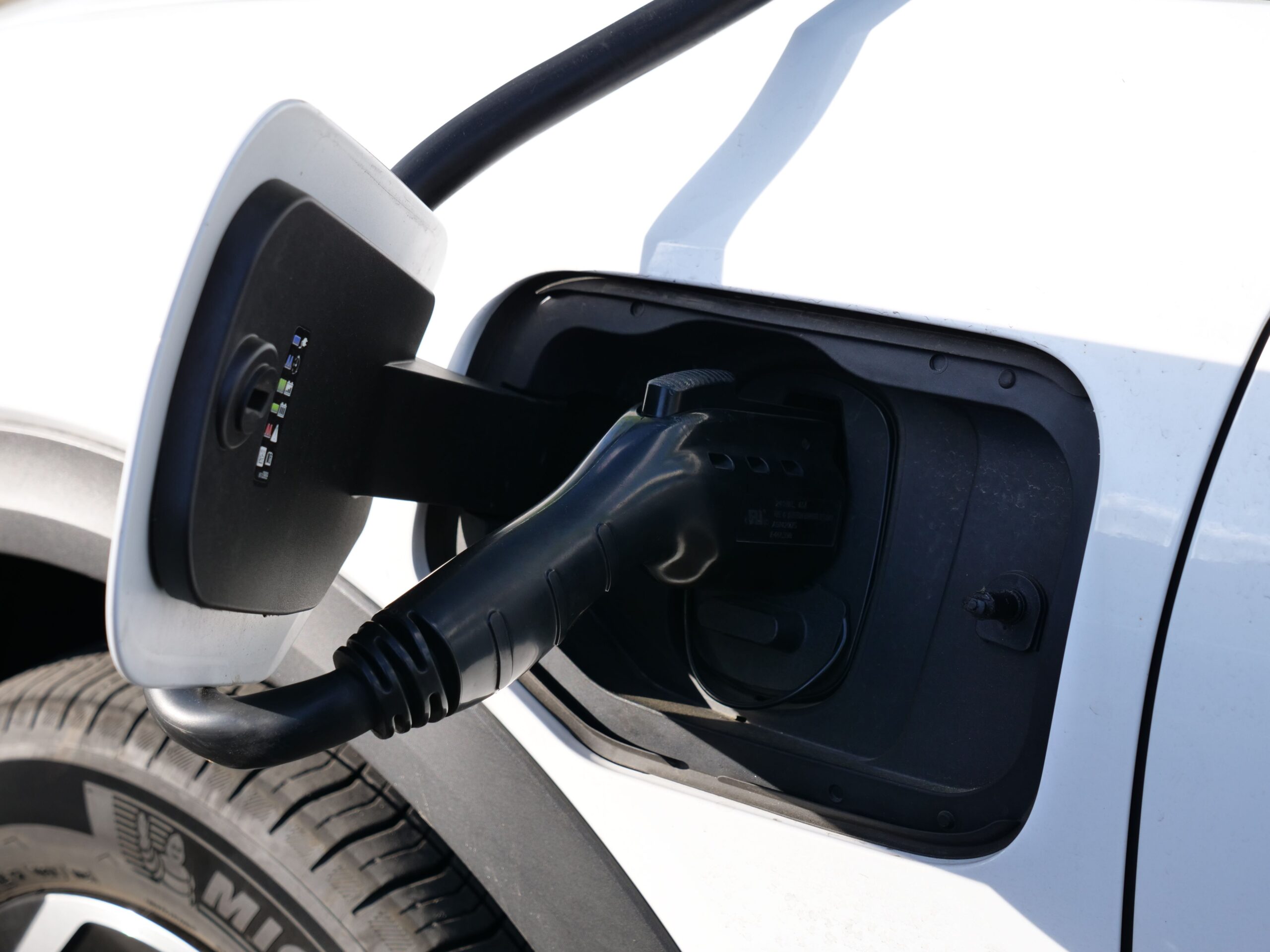
Installing an electric vehicle charger at home is one of the biggest conveniences of owning an EV. Instead of searching for public charging stations, you can plug in your vehicle in your own driveway or garage and start each day with a charged battery.
However, adding an EV charger is not as simple as plugging in a new appliance. Electric vehicles require a significant amount of power, and your home’s electrical system needs to be able to safely support the additional demand.
Many Florida homeowners wonder whether their current electrical panel, wiring, and service can handle an EV charger installation. The answer depends on several factors, including the age of your home, your current electrical usage, and the type of charger you plan to install.
A professional electrical evaluation can help determine whether your home is ready or whether upgrades are needed first.
Why EV Chargers Require More Electrical Capacity
A Level 2 EV charger, which is the most common choice for home installations, uses a 240-volt connection to provide faster charging speeds. This is similar to the power requirements of larger household appliances, such as electric dryers or ovens.
Because an EV charger can draw a significant amount of electricity for several hours at a time, your home’s electrical system must have enough available capacity to handle the additional load.
If your electrical panel is already operating near its limit, adding an EV charger without making necessary upgrades can create safety concerns.
Signs Your Home May Need an Electrical Upgrade Before Installing an EV Charger
Not every Florida home will require upgrades before installing an EV charger. However, certain signs may indicate that your electrical system needs attention.
Your Electrical Panel Is Older
Many older homes in Florida were not designed with today’s electrical demands in mind. Homes built decades ago may have electrical panels that are too small or outdated for modern appliances, smart home technology, and EV charging equipment.
If your home still has an older electrical panel, an electrician can inspect its condition and determine whether it can safely support a dedicated EV charger circuit.
You Do Not Have Available Space in Your Panel
A Level 2 EV charger requires a dedicated circuit installed in your electrical panel.
If your breaker panel is full, there may not be room for the additional breaker needed for the charger. In some cases, replacing or expanding the electrical panel may be the best solution.
Your Lights Flicker or Circuits Frequently Trip
Flickering lights, frequently tripped breakers, or outlets that feel warm can indicate that your electrical system is already struggling to keep up with demand.
Adding an EV charger to an overloaded system can make existing problems worse. Before installation, an electrician can identify potential issues and recommend the right solution.
You Have an Older Home With Limited Electrical Service
Some older homes have lower electrical service ratings that may not provide enough capacity for today’s energy needs.
An electrician can perform a load calculation to determine how much power your home currently uses and whether there is enough capacity available for EV charging.
What Does an Electrician Check Before Installing an EV Charger?
Before installing a home EV charger, a licensed electrician will typically evaluate several parts of your electrical system.
Electrical Panel Capacity
The panel is the starting point for determining whether your home can support an EV charger. Your electrician will check the panel’s size, condition, and available capacity.
Available Amperage
Your home has a maximum amount of electricity it can safely receive from the utility company. Your electrician will determine whether your available amperage can support additional charging demand.
Wiring and Circuit Requirements
The charger must be connected using properly sized wiring and a dedicated circuit. Using incorrect wiring or attempting to connect an EV charger to an unsuitable circuit can create unnecessary risks.
Installation Location
Where you install your charger also matters. A charger located in a garage, carport, or outdoor area may require different considerations based on distance from the panel, weather exposure, and local conditions.
Florida Homes Have Unique Electrical Considerations
Florida homeowners should consider more than just electrical capacity when installing an EV charger.
The state’s heat, humidity, heavy rain, and severe storms can all affect electrical equipment over time. Professional installation helps ensure your charger is properly protected and installed according to electrical safety standards.
For outdoor installations, electricians can help determine the best location and ensure equipment is suitable for exposure to Florida’s weather conditions.
Homeowners in coastal areas may also want to consider additional protection against corrosion caused by salt air.
Can You Install an EV Charger Without Upgrading Your Panel?
In some cases, yes. Many newer Florida homes already have enough electrical capacity for a Level 2 charger installation.
However, it is important not to assume your system can handle the additional demand. Every home is different, and an electrical evaluation is the best way to determine whether an upgrade is necessary.
Possible solutions may include:
- Installing a dedicated EV charger circuit
- Upgrading the electrical panel
- Increasing electrical service capacity
- Adjusting the charger location
- Installing a lower-amperage charging option
The right solution depends on your home’s existing electrical system and your charging needs.
Prepare Your Florida Home for the Future of EV Ownership
Electric vehicles are becoming increasingly popular, and many homeowners are preparing their properties for current and future charging needs.
Even if you are not ready to purchase an EV today, evaluating your home’s electrical capacity can help you understand what upgrades may be needed down the road.
A properly installed EV charger provides convenience, improves charging reliability, and helps you get the most out of your electric vehicle.
Trust Thomas Edison Electric for Professional EV Charger Installation
Installing an EV charger is an investment in your home and your vehicle. Working with a licensed electrician ensures your system is evaluated properly and your charger is installed safely.
Thomas Edison Electric provides professional EV charger installation services for Florida homeowners. Our experienced electricians can inspect your electrical system, identify any necessary upgrades, and install your charger according to safety standards.
Whether you already own an electric vehicle or are planning for the future, contact Thomas Edison Electric to make sure your home is ready for reliable EV charging.