
Palm City Lights Kept Flickering, Here Is What Finally Stopped It
An emergency call about flickering lights in a Palm City home turned into a full safety inspection, whole-home surge protection, and the panel work that finally stopped the flicker.
A homeowner in Palm City called Thomas Edison Electric for a same-day emergency visit because the lights in the master bedroom and bathroom kept going out. By the time the work was finished, the crew had traced the flicker to loose and aged connections at the panel and devices, added whole-home surge protection, replaced the affected breakers, upgraded the smoke and carbon monoxide detection, and finished a bathroom outlet the homeowner had started. Here is what the visit found and what we corrected.
The call that started it
The flicker was not constant. It showed up in the master bedroom and bathroom, sometimes when other loads came on and sometimes for no clear reason. The homeowner had already tried to swap a bathroom outlet themselves and could not get it wired back together, so the request came in as a same-day emergency.
“Lights keep going out in master bedroom and bathroom.”
What the safety inspection covered
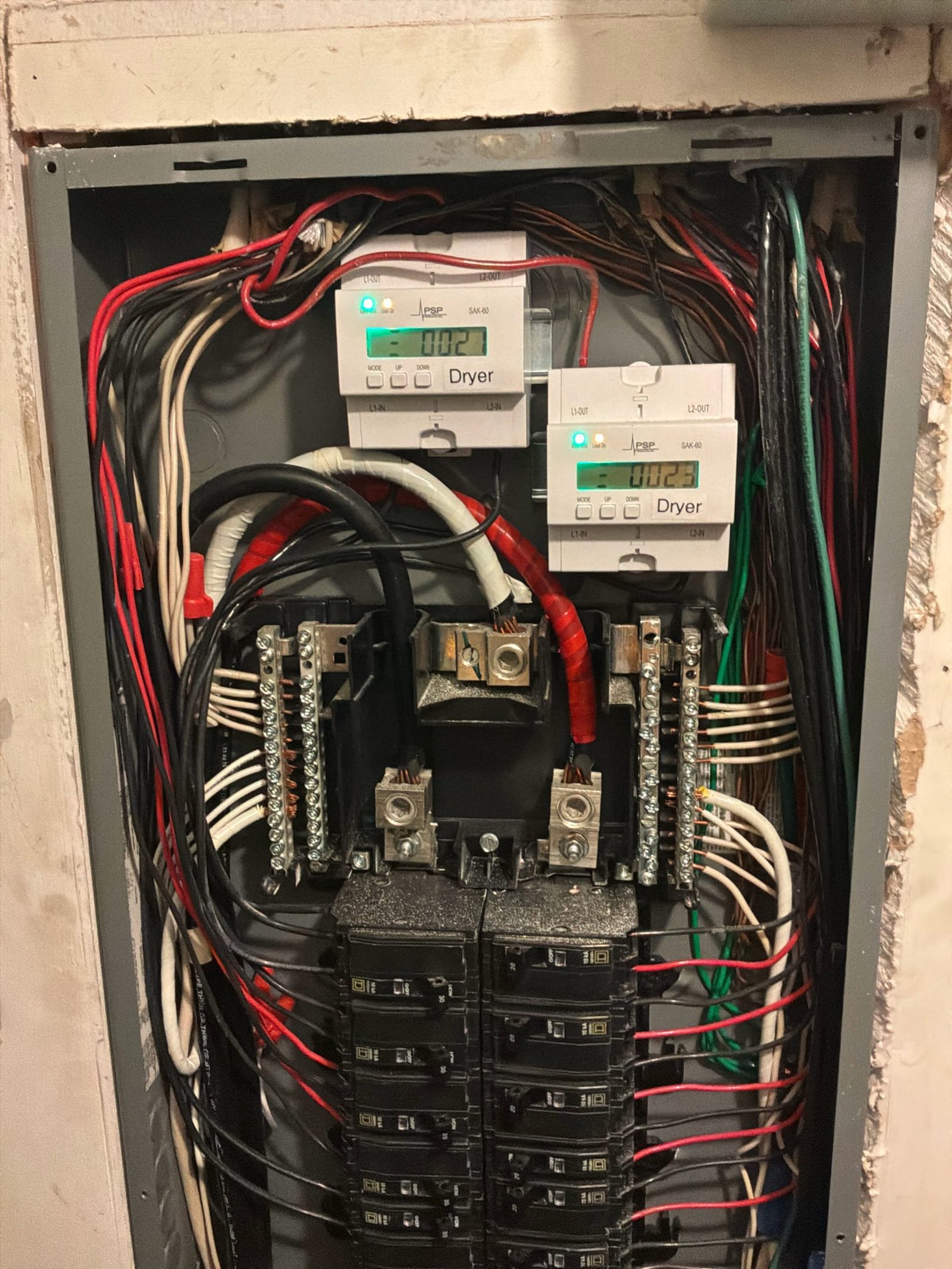
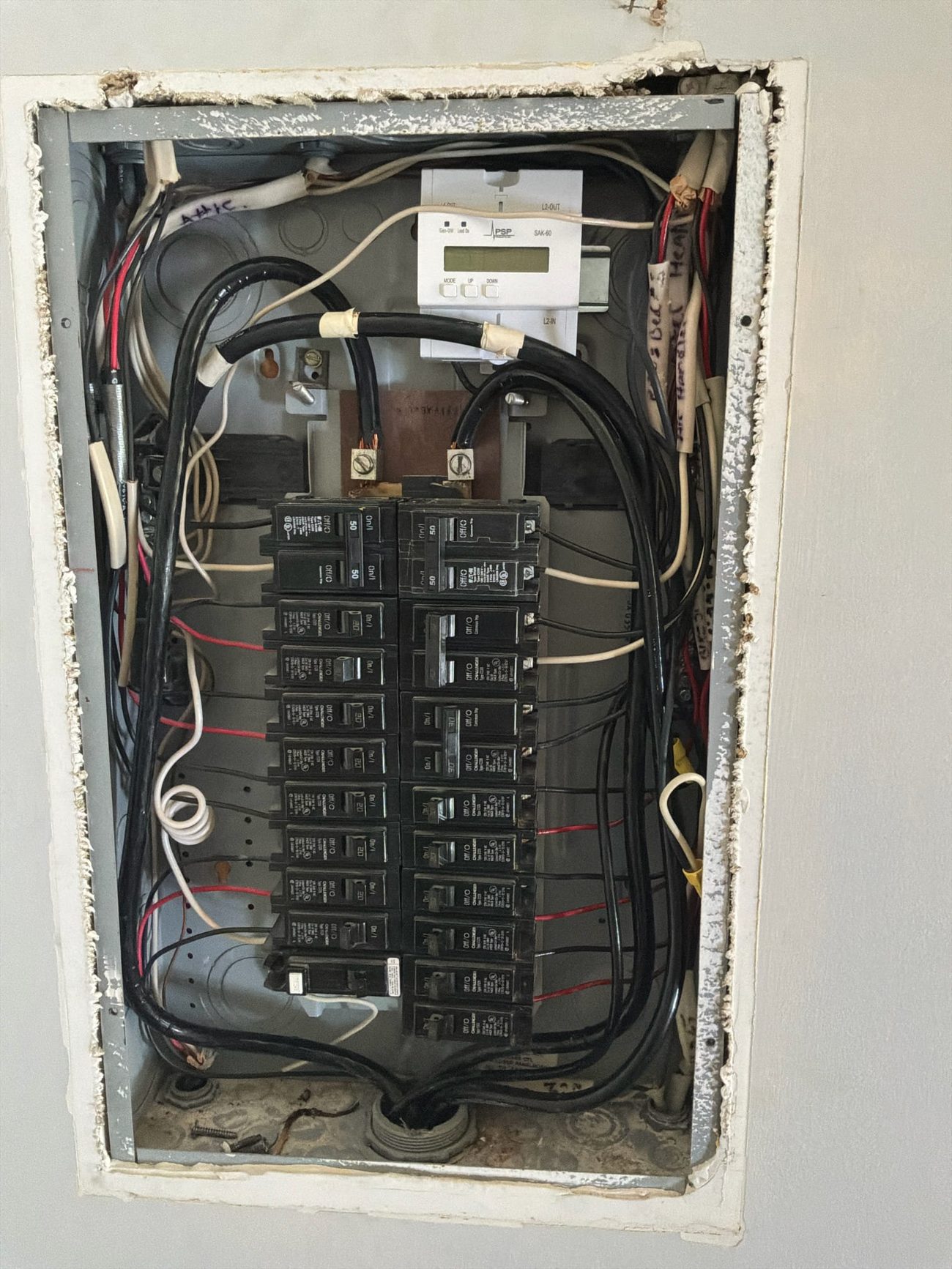
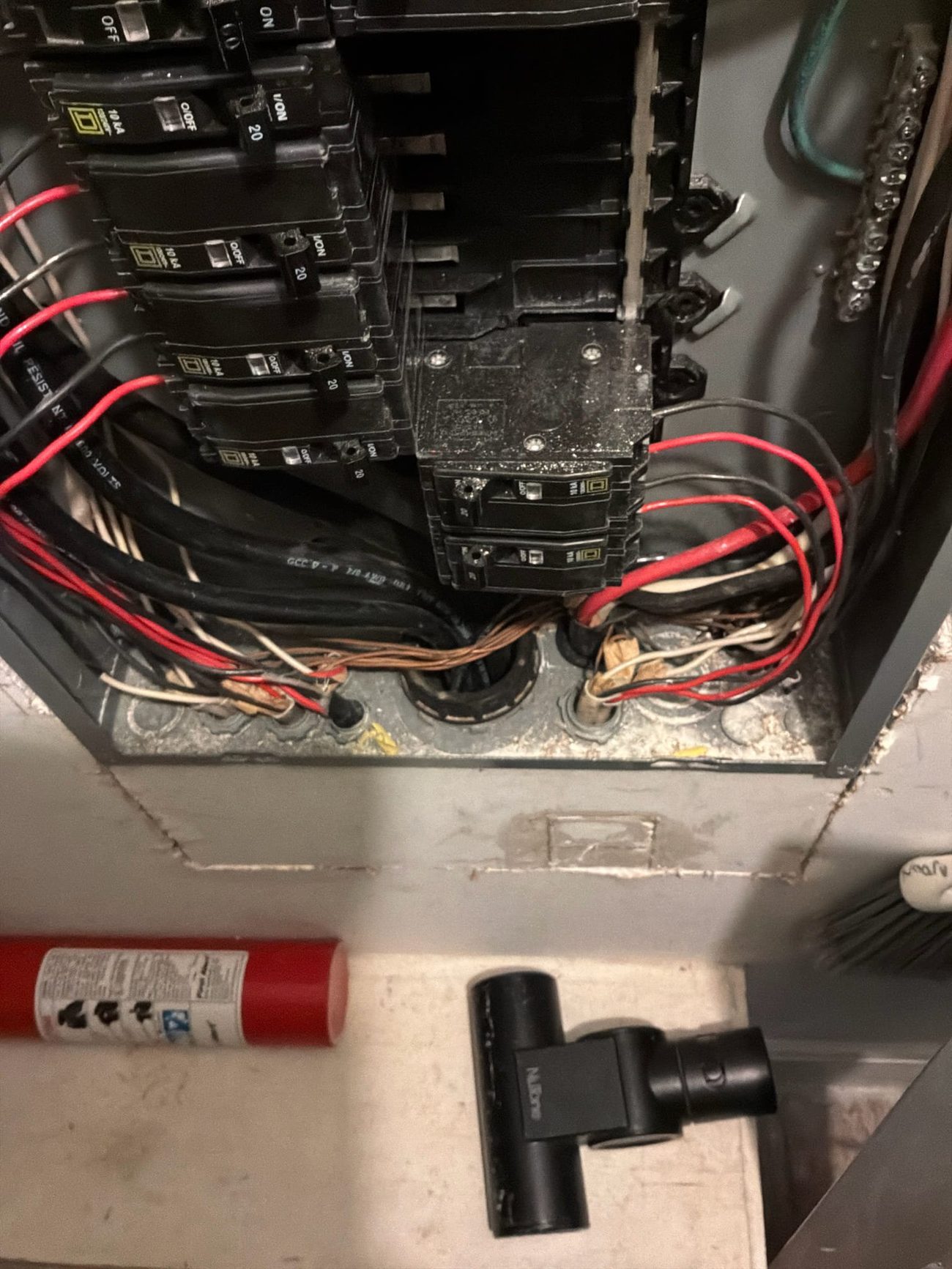
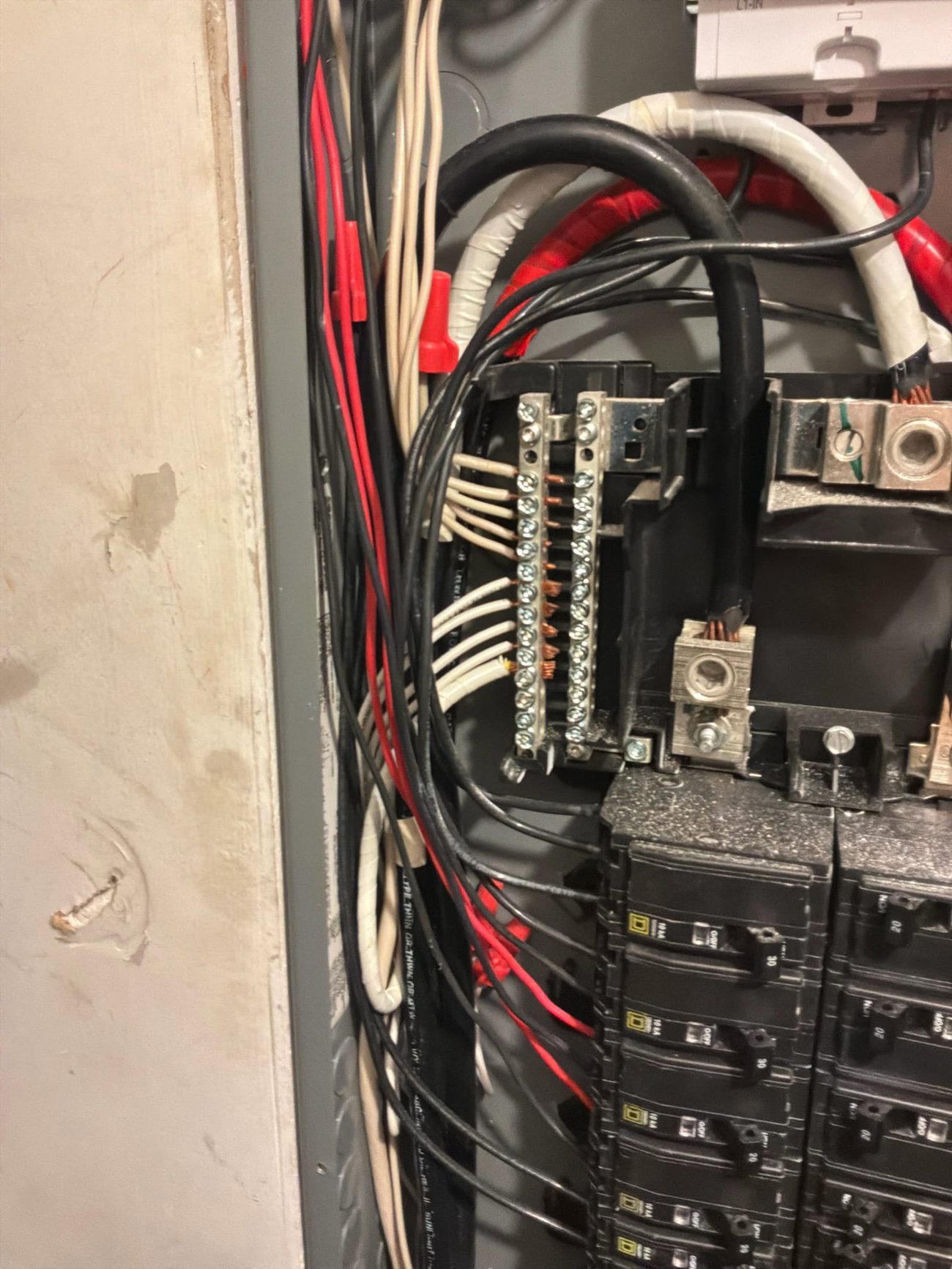
Flickering lights almost always trace back to a connection that has worked loose, so the visit started at the panel and a sample of devices. The home runs on a 150 amp GE panel, and the wiring showed the mix you expect for its age. Several device connections were the push-in (backstab) type that loosen over years of heating and cooling. Some branch circuits still ran on older cloth-jacketed conductors, and the panel had circuits that were not clearly labeled. The crew also checked grounding and bonding, GFCI coverage, and the smoke and carbon monoxide detection against current standards.
What we corrected on the visit
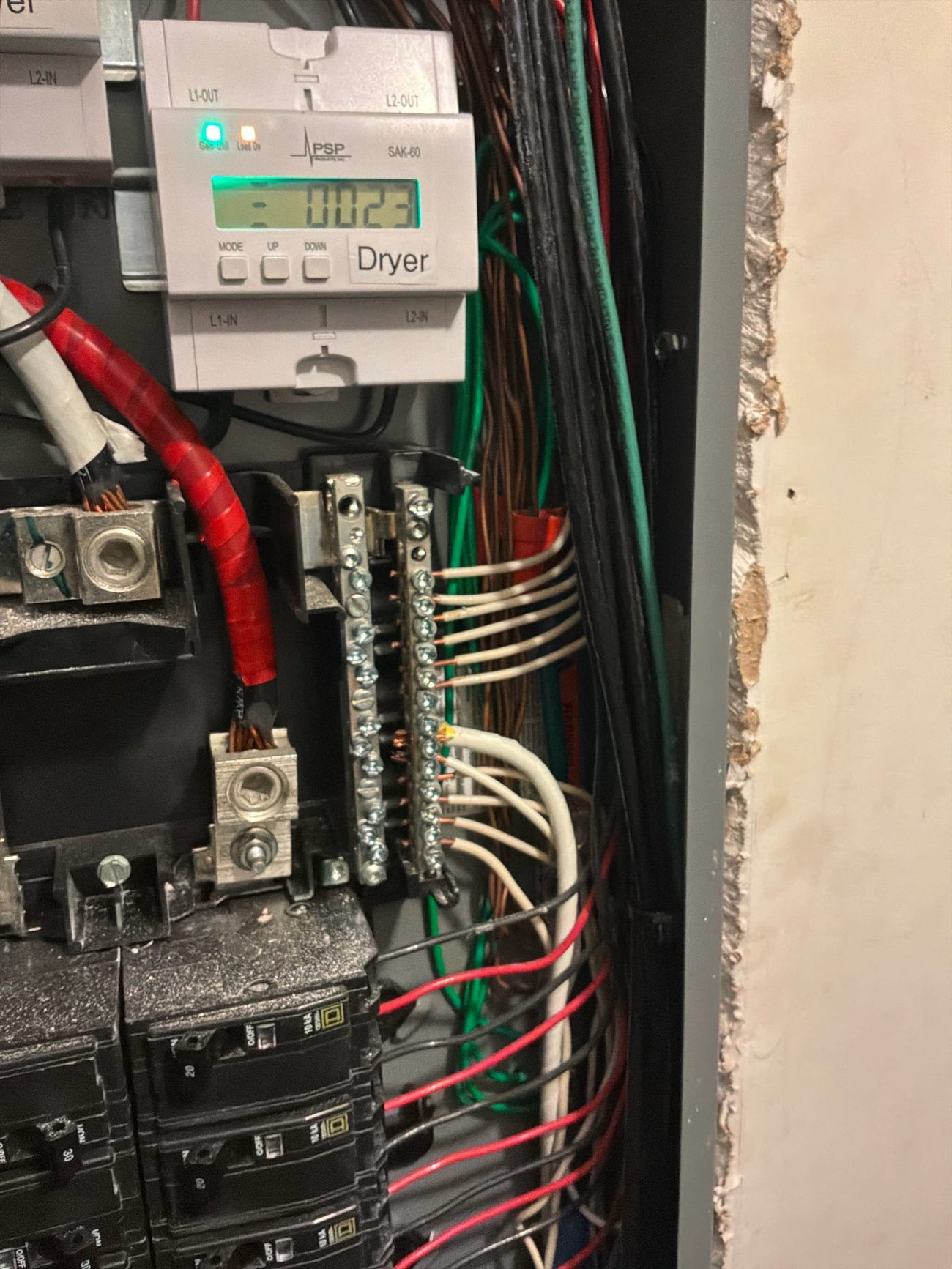
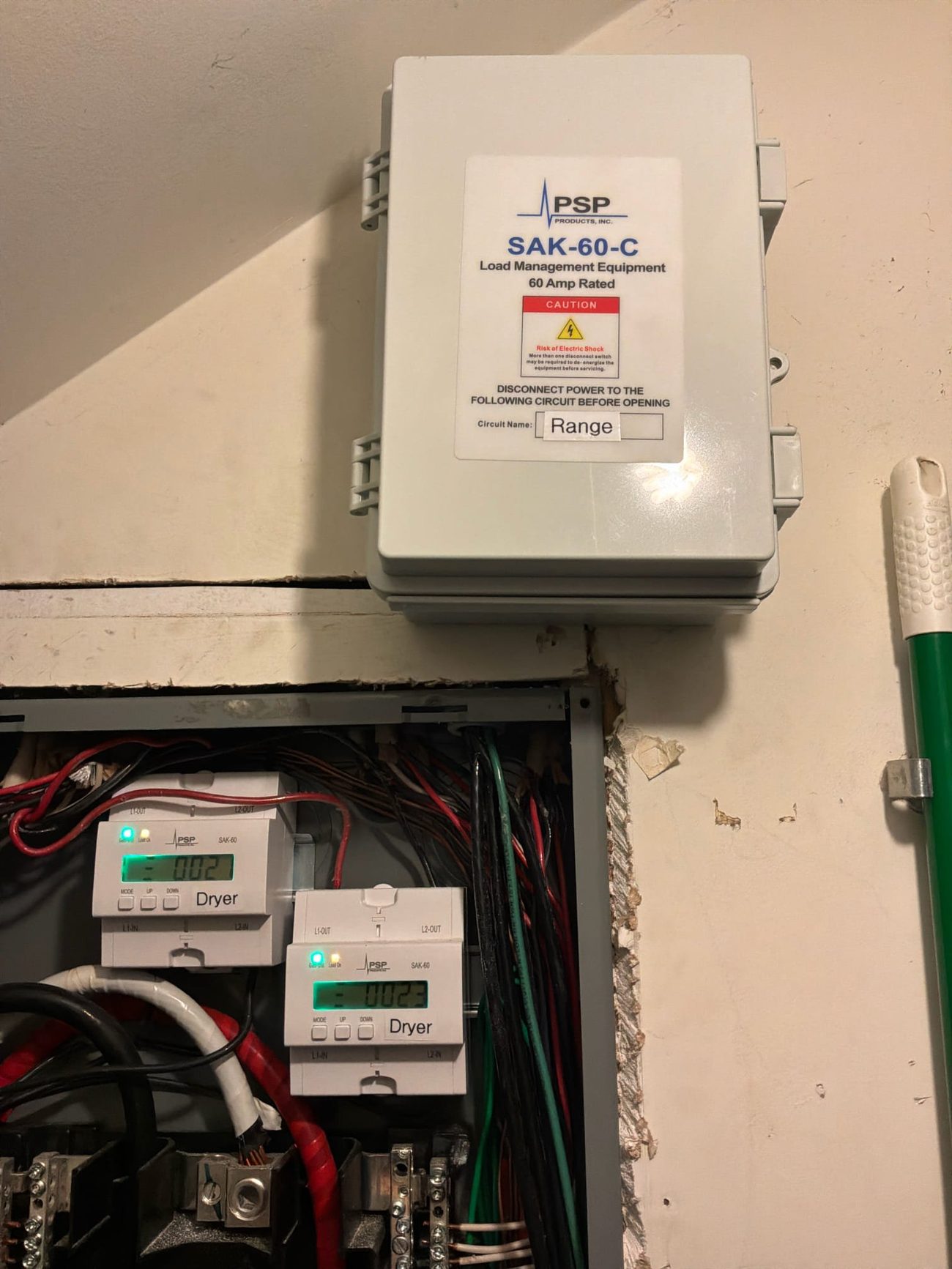
- Whole-home surge protection. A PSP Vortex 120 kA surge protective device was installed at the panel so storm and utility surges take the hit there, before they reach the branch circuits inside the home.
- Breakers replaced. Square D Homeline breakers were swapped in where they were needed, including a 15 amp single-pole (HOM115) and a 40 amp two-pole (HOM240).
- Smoke and carbon monoxide detection. A Kidde smart smoke and carbon monoxide alarm with a sealed ten-year battery was installed to bring life-safety coverage up to a current, connected standard.
- The bathroom outlet finished. The receptacle the homeowner had started was replaced and set in a proper cut-in box, terminated under the screws so it will not work loose.
- Loose connections corrected. The push-in and loose terminations behind the flicker were re-landed under screw terminals so they hold.
No prices appear in this write-up on purpose. Every home is different, and pricing is best handled during a free evaluation on site.
The code behind the work
Each item above lines up with a section of the National Electrical Code, the standard Florida follows on its NEC 2020 cycle. These are the references an inspector, an insurer, or a future buyer can check.
Surge-Protective Devices
A Type 2 surge device at the service equipment, listed and rated per Article 285, takes down most utility and lightning surges before they reach the circuits inside the home.
Connections
Connections must not loosen from ordinary movement or vibration. Push-in device connections can pass on day one and then fatigue, which is the usual root cause of a flicker like this one.
GFCI Protection
GFCI protection is called for on receptacles in bathrooms, kitchens, garages, outdoors, near pool equipment, and within six feet of a sink. Coverage was reviewed against the current rule during the inspection.
Grounding and Bonding
The grounding electrode system and bonding were checked, and the neutral and ground terminations at the bus were re-secured so the system keeps a solid reference.
Why this matters for older Palm City homes
Palm City and the wider Treasure Coast have plenty of homes built before the current run of code cycles, and three things tend to catch up with them. Push-in device connections fatigue and start to flicker. GFCI and surge requirements have grown to cover more of the house than they once did. Grounding standards have tightened. If your home is a similar age and has never had a documented walk-through, a licensed electrician can check the panel and a sample of devices and tell you where you stand.
Panel UpgradesWhen a panel needs more than new breakers.
Safety InspectionsThe documented walk-through described above.
House RewiringFor older branch wiring past its service life.
Thomas Edison Electric runs these calls across Martin County and the rest of the areas we serve.
From the job site
Common questions about flickering lights and panel safety
A few of the questions the Palm Beach and Martin County crews hear on calls like this one.
Why do lights flicker in an older Florida home?
Most of the time it is a loose connection at an outlet, switch, or the panel, often a push-in (backstab) connection that has worked loose over years of heating and cooling. An undersized or aging service and worn device contacts can do it too. In Palm City and the wider Treasure Coast, homes wired decades ago are the usual candidates, and that was the case here.
Should I be concerned about a light that keeps flickering?
It is worth looking into. A flicker points to a connection that is not holding, and a connection that is not holding heats up. It does not mean anything has gone wrong yet, but it is the kind of thing a licensed electrician should check at the panel and at a sample of devices rather than leave alone.
What does a whole-home surge protector actually do?
A Type 2 surge protective device installed at the panel clamps down most of the surges that ride in from the utility or from nearby lightning, before they reach the wiring and the equipment plugged into it. It does not replace plug-in protection for sensitive electronics, but it lowers how often those downstream devices take a hit.
Do I have to bring my whole house up to current code?
No. Homes wired under earlier code cycles are not required to be pulled up to the current rules all at once. Any new work or a device replacement in a covered area does have to meet the current rule, though, which is why a repair visit is a good time to close the gaps that matter most for safety.