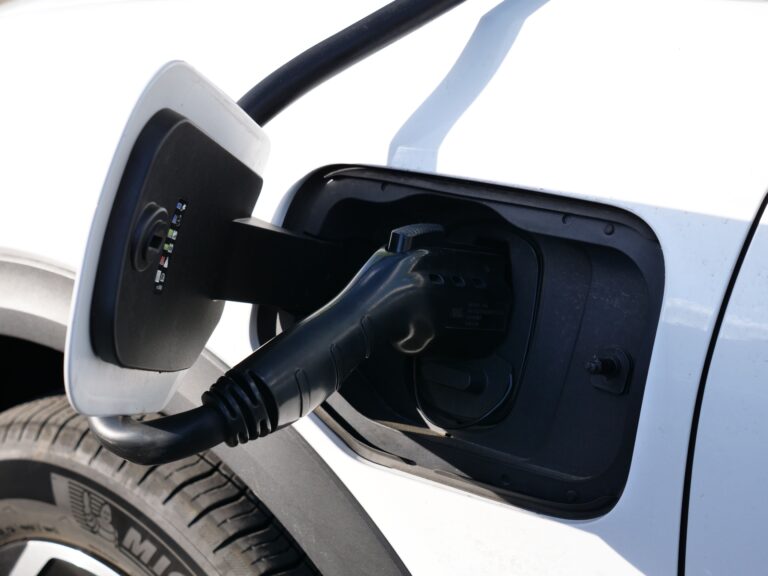
Installing an EV charger at home is one of the most convenient ways to keep your vehicle charged. But before installing a Level 2 charger, you may wonder whether your home’s electrical panel can handle the additional demand.
Not every EV charger installation requires an electrical panel upgrade. In many homes, an electrician can add a dedicated circuit to the existing panel. However, older electrical systems or homes with limited electrical capacity may require additional work.
Here’s how to determine whether your Florida home is ready for an EV charger.
Why Does an EV Charger Put Extra Demand on Your Electrical System?
Charging an EV can require a substantial amount of electricity, particularly with a Level 2 charger.
Unlike many household appliances that run for shorter periods, an EV charger may operate for several hours at a time. Because of this, the electrical system needs to be evaluated for the additional continuous load.
The amount of electricity required depends on the specific charger. A residential Level 2 charger may require a dedicated circuit ranging from around 30 amps to 60 amps or more.
That doesn’t automatically mean your panel needs to be upgraded. It means your home’s existing electrical capacity needs to be evaluated before installation.
Does an Open Breaker Space Mean My Panel Can Handle an EV Charger?
No.
An empty space in your electrical panel doesn’t necessarily mean there is enough capacity for an EV charger.
Your electrical panel has an overall service capacity, and your home already has an existing electrical load from appliances and other equipment. An electrician needs to consider the total demand on the system rather than simply whether there is room for another breaker.
For example, a home may have an open breaker position but still have limited capacity because of its existing electrical load.
What Does an Electrician Check Before Installing an EV Charger?
Before installing a charger, an electrician can evaluate several parts of your electrical system, including:
- The size of your electrical service
- The capacity of your existing panel
- Your home’s current electrical load
- Available breaker space
- The condition and age of the panel
- Existing wiring
- The location of the charger
- The distance between the charger and electrical panel
- The charger’s electrical requirements
This evaluation helps determine whether your existing system can safely support the charger and what type of installation is appropriate.
When Might You Need a Panel Upgrade?
A panel upgrade may be necessary if your home’s existing electrical service doesn’t have enough capacity to accommodate the additional EV charging load.
This can be more common in older homes that were designed around a smaller electrical load. Today’s homes may have numerous high-demand appliances, including electric ranges, air conditioning systems, electric water heaters, pools, spas, and other equipment.
Adding an EV charger to an already heavily loaded electrical system may require an upgrade or another solution to accommodate the additional demand.
What If My Electrical Panel Is Old?
The age of your panel doesn’t automatically mean it needs to be replaced.
However, an older panel may have limitations that need to be considered before adding a new high-demand circuit. An electrician can inspect the panel and wiring to determine whether they are suitable for the proposed installation.
If the panel is outdated, damaged, or otherwise unsuitable for the additional load, replacement may be recommended.
This is particularly important if you’re purchasing an older Florida home and aren’t sure when the electrical system was last updated.
Can I Install a Level 1 EV Charger Instead?
If your home’s electrical capacity isn’t sufficient for the Level 2 charger you want, a Level 1 charger may be an alternative.
Level 1 charging typically uses a standard household outlet and provides slower charging than Level 2 equipment. For drivers with shorter commutes or lower daily mileage, this may be sufficient.
However, homeowners who want significantly faster overnight charging will generally prefer Level 2.
An electrician can help you understand your options based on your vehicle, driving habits, and existing electrical system.
Does a Panel Upgrade Mean Rewiring My Whole House?
Not necessarily.
An electrical panel upgrade involves replacing or upgrading the panel and may involve additional electrical work depending on the home’s existing service and wiring.
It does not automatically mean the entire house needs to be rewired.
If an electrician determines that your existing panel can support the EV charger, a panel replacement may not be necessary at all. The best approach depends on the condition and capacity of your specific electrical system.
What About Homes With 100-Amp Service?
Many older homes have 100-amp electrical service, while newer homes may have larger electrical services.
Having 100-amp service doesn’t automatically rule out an EV charger. Whether your system can support one depends on your home’s overall electrical load and the requirements of the charger you’re considering.
An electrician can perform a load evaluation to determine whether there is sufficient capacity or whether modifications are needed.
Can I Upgrade My Panel Before Buying an EV?
If you’re planning to purchase an EV but haven’t bought one yet, you don’t necessarily need to upgrade your panel immediately.
It can, however, be useful to have an electrician evaluate your electrical system before purchasing a charger. Knowing what your home can support can help you choose the right charging equipment and avoid unexpected installation requirements later.
If you’re building or remodeling a home, it’s also worth planning for EV charging as part of the electrical design.
Why Professional EV Charger Installation Matters
An EV charger isn’t something you should install based solely on whether you have an available breaker space.
The installation needs to account for the charger’s electrical requirements, the home’s existing load, the condition of the electrical system, and applicable electrical requirements.
Having the system evaluated before installation can also help identify potential problems before they become more expensive to address.
Get Your Home Ready for EV Charging
You may not need a panel upgrade to install an EV charger, but the only way to know is to evaluate your home’s electrical system.
Thomas Edison Electric can assess your electrical panel and existing electrical capacity, determine what your home can safely support, and install the appropriate EV charging equipment.
Whether you need a new dedicated circuit or additional electrical work, a professional evaluation can help ensure your EV charger is installed safely and your home’s electrical system is prepared for the added demand.