People shop for a home charger the way they shop for an appliance: compare models, read the reviews, pick one, then call an electrician to put it in. It works in reverse more often than not. The charger is the easy part. What decides the install is whether your panel has the capacity and the physical space for a large dedicated circuit, and that answer is specific to your house.
What the charger is actually doing
A Level 2 charger is a continuous load, which means the circuit has to be sized above the charger’s draw rather than exactly at it. On a panel that is already close to full, that is the constraint that ends up choosing the charger, the amperage setting, or whether load management goes in first. Worth knowing before the car arrives, not after. Our In Florida, where many homeowners drive daily and rely heavily on air conditioning and other electrical systems, it is important to have a charger that works efficiently without overloading your panel. Therefore, we evaluate your system before installation to ensure it can handle the added demand.
We also help you choose the right charger based on your driving habits, home setup, and long-term energy goals. This approach ensures you get reliable performance and maximum convenience.
Level 1, Level 2, and how fast you really need
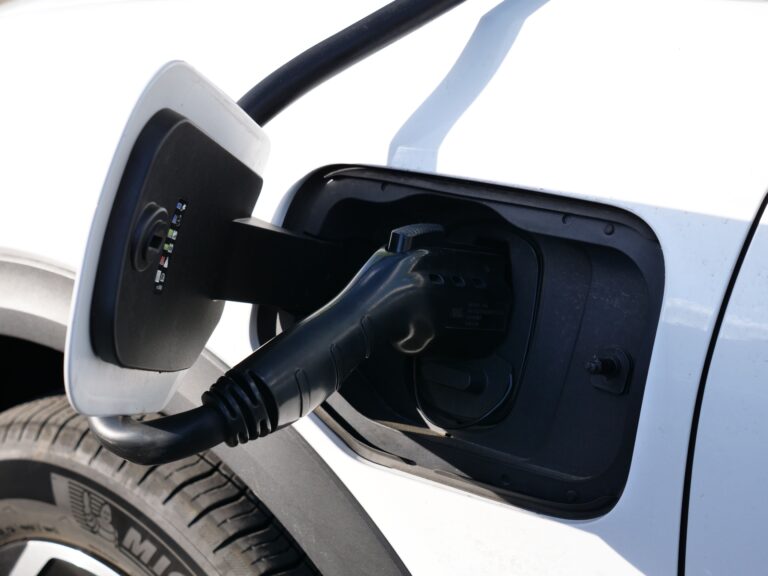
Charging an EV involves transferring electricity from your home’s electrical system into your vehicle’s battery. When you plug in your car, power flows through the charger and into the vehicle’s onboard system.
The onboard charger converts electricity into a form the battery can store. At the same time, the charger and vehicle communicate to regulate voltage, current, and temperature. Consequently, this process ensures safe and efficient charging every time.
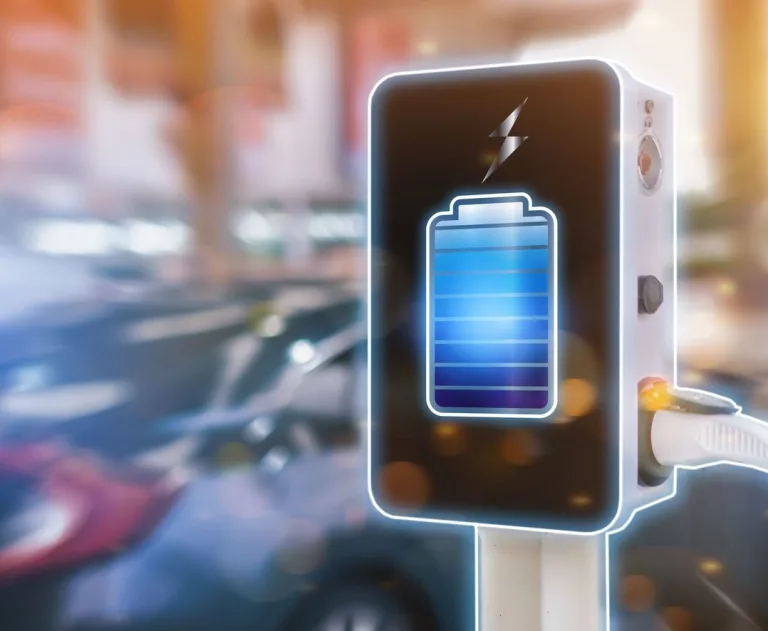
Once the battery reaches full capacity, the charger automatically stops delivering power. Many modern systems also provide notifications through mobile apps, allowing you to monitor progress remotely.
Because Florida homes often experience power fluctuations during storms, we ensure your system includes proper safeguards to maintain consistent performance.
Let the panel narrow the shortlist
There are three main types of EV chargers, and selecting the right one depends on your needs.
Level 1 chargers use standard household outlets. They are easy to use but charge slowly, making them better suited for occasional driving.
Level 2 chargers are the most common choice for Florida homeowners. They use a 240-volt connection and charge significantly faster. Therefore, they are ideal for daily use and busy lifestyles. Most Level 2 installations require a dedicated circuit, which we install safely and efficiently.
Level 3 chargers, also known as DC fast chargers, provide rapid charging but are typically used in commercial or public settings due to their high power requirements.
We assess your home’s electrical capacity and recommend the best option to match your driving habits and energy usage.
Scheduling, load sharing and the features worth paying for
Modern EV chargers offer advanced features that improve convenience and efficiency. We install systems with smart capabilities that allow you to control charging from your phone.
Wi-Fi connectivity enables you to monitor energy usage, schedule charging times, and receive updates. This is especially useful in Florida, where electricity rates may vary throughout the day. Charging during off-peak hours can help reduce costs.
Load management is another valuable feature. It balances energy usage between your EV charger and other appliances, preventing overloads. This is important in homes with high electrical demand.
Additionally, some chargers integrate with solar systems, allowing you to take advantage of Florida’s abundant sunshine. As a result, you can reduce reliance on the grid and lower your energy bills.
Garage heat, humidity and outdoor mounting
Safety is critical when installing an EV charger. Florida’s weather conditions, including heavy rain, humidity, and lightning, require extra precautions.
We ensure your charger is properly grounded and installed according to standards set by the National Electrical Code. This protects against electrical faults and ensures safe operation.
For outdoor installations, we use weather-resistant equipment designed to withstand moisture and heat. Additionally, we install surge protection to guard against power spikes caused by storms.
Proper installation not only protects your vehicle but also ensures your home’s electrical system remains stable and efficient.
What we check before quoting
Before installation, we evaluate your electrical panel and overall system capacity. Many Florida homes require upgrades to support a Level 2 charger, especially if additional high-demand systems are already in place.
We may recommend panel upgrades, dedicated circuits, or wiring improvements to ensure your system can handle the load. Consequently, these upgrades prevent future issues and improve long-term performance.
We also consider placement for convenience and accessibility. Whether you want your charger in a garage or outdoors, we design the setup to fit your lifestyle.
Finding out what your panel will take
Installing an EV charger is an investment in both convenience and sustainability. At Thomas Edison Electric, we provide expert installation and guidance tailored to Florida homes.
If you have been searching for an electrician near me, our team is ready to help you choose and install the right EV charging solution. We ensure your system is safe, efficient, and built to handle Florida’s unique conditions. Contact Thomas Edison Electric today to schedule your EV charger installation and take the next step toward smarter, more efficient driving.