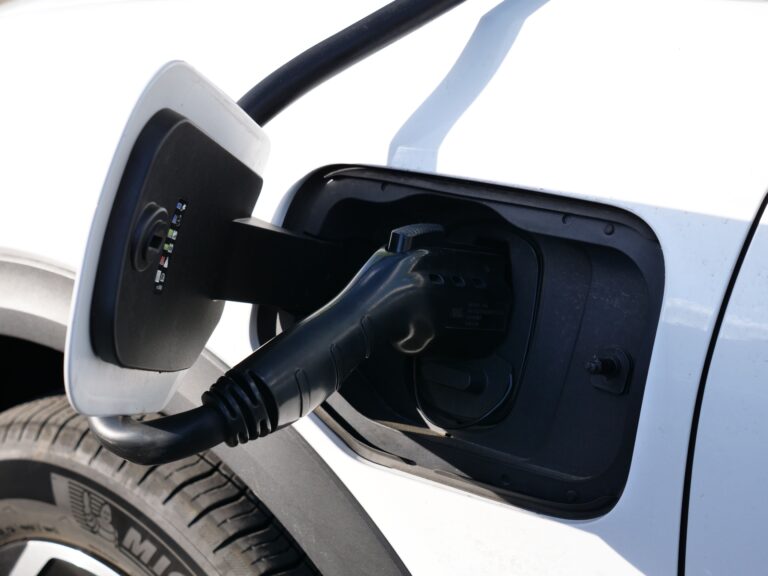

Electric vehicles offer many benefits, including lower fuel costs, reduced emissions, and the convenience of charging at home. For many Florida homeowners, installing an EV charger provides the easiest way to keep their vehicle ready for daily driving.
However, like any electrical equipment, an EV charger must be installed and used properly to operate safely. Because EV chargers deliver a significant amount of power over extended periods, proper installation is essential for protecting your home, your vehicle, and your family.
Florida homeowners also have unique considerations when it comes to electrical equipment. High temperatures, humidity, heavy rainfall, and severe storms can all affect outdoor electrical systems.
By following proper safety practices and working with a licensed electrician, homeowners can enjoy the convenience of home EV charging with confidence.
Why Proper EV Charger Installation Matters
A common misconception is that installing an EV charger is as simple as plugging in a device. While some Level 1 chargers can use a standard household outlet, most homeowners choose Level 2 chargers because they provide much faster charging.
Level 2 chargers require:
- A dedicated electrical circuit
- Properly sized wiring
- The correct breaker and electrical connections
- Adequate electrical capacity
- Professional installation
An improperly installed EV charger can put unnecessary strain on your home’s electrical system and may increase the risk of overheating, electrical damage, or other safety concerns.
Use a Dedicated Circuit for Your EV Charger
One of the most important safety considerations for an EV charger is using a dedicated circuit.
An EV charger draws a consistent amount of electricity for several hours, especially during overnight charging. Sharing that circuit with other appliances or outlets can create unnecessary electrical demand.
A dedicated circuit helps:
- Prevent circuit overloads
- Provide consistent charging performance
- Reduce stress on your electrical system
- Improve overall safety
A licensed electrician can determine the correct circuit requirements based on your charger model and your home’s electrical capacity.
Avoid Using Extension Cords With EV Chargers
Extension cords are not designed to handle the continuous electrical load required by most EV charging systems.
Using an extension cord for EV charging can create problems such as:
- Overheating
- Voltage drops
- Damaged equipment
- Increased fire risk
Instead, homeowners should install the charger in a location where the charging cable can safely reach the vehicle.
If your current parking area does not allow for convenient charging, an electrician can recommend a better installation location.
Check Your Electrical Panel Before Installation
Before installing an EV charger, it is important to make sure your home’s electrical system can support the additional demand.
An electrician will typically evaluate:
- Electrical panel capacity
- Available breaker space
- Existing electrical loads
- Wiring condition
- Overall system safety
Some Florida homes, especially older properties, may require electrical upgrades before adding a Level 2 charger.
Installing a charger without evaluating your home’s capacity can lead to overloaded circuits or other electrical problems.
Protect Your EV Charger From Florida Weather
Florida’s climate creates unique challenges for outdoor electrical equipment.
Heat, humidity, rain, and storms can all impact equipment over time. If your EV charger is installed outside, choosing the right location and equipment is especially important.
Homeowners should consider:
Weather-Resistant Equipment
Outdoor chargers should be designed for exterior installation and properly protected from the elements.
Proper Mounting
The charger should be securely mounted in a location that minimizes exposure to water and physical damage.
Surge Protection
Florida experiences frequent thunderstorms, which can increase the risk of power surges. Surge protection can help protect electrical equipment throughout your home, including your EV charging system.
Keep Your EV Charging Area Safe
The area around your EV charger should be kept clear and accessible.
Homeowners should:
- Avoid placing objects on or around the charger
- Keep charging cables away from walkways when possible
- Inspect cables regularly for damage
- Avoid driving over charging equipment
- Keep the area dry and free from hazards
A well-planned charging area makes everyday use safer and more convenient.
Watch for Signs of Electrical Problems
Even a properly installed charger should be monitored occasionally. Contact an electrician if you notice signs such as:
- Burning smells near the charger
- Discoloration around outlets or connections
- Unusual heat from the equipment
- Frequent breaker trips
- Charging interruptions
- Damaged cables
These signs may indicate an electrical issue that should be addressed before continuing use.
Consider a Professional Electrical Inspection
If your home is older, has experienced electrical issues, or you are unsure whether your system can support an EV charger, an electrical inspection is a smart first step.
A professional electrician can:
- Evaluate your home’s electrical capacity
- Identify potential problems
- Recommend the right charger setup
- Complete installation safely
This ensures your charging system is designed specifically for your home’s needs.
Prepare Your Florida Home for Safe EV Charging
As electric vehicles become more popular, more Florida homeowners are adding charging stations to their properties. A properly installed EV charger provides convenience while supporting safe, reliable vehicle charging.
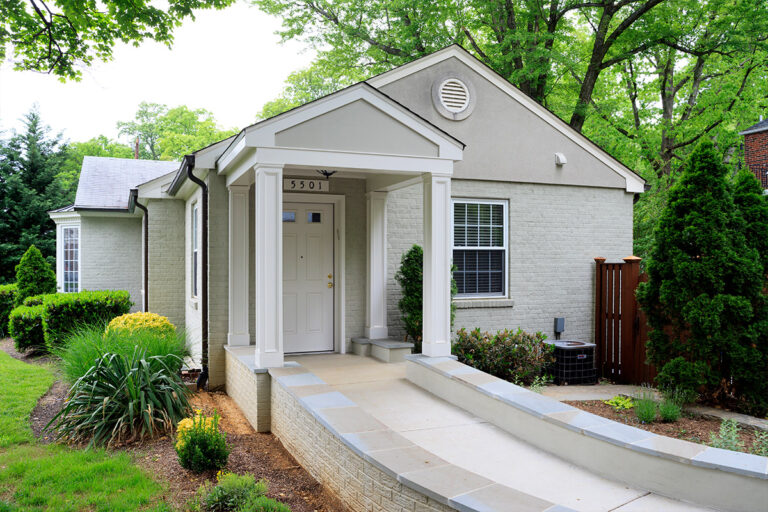
Whether your charger will be installed in a garage, driveway, or outdoor location, professional installation helps protect your home and your investment.
Professional EV Charger Installation From Thomas Edison Electric
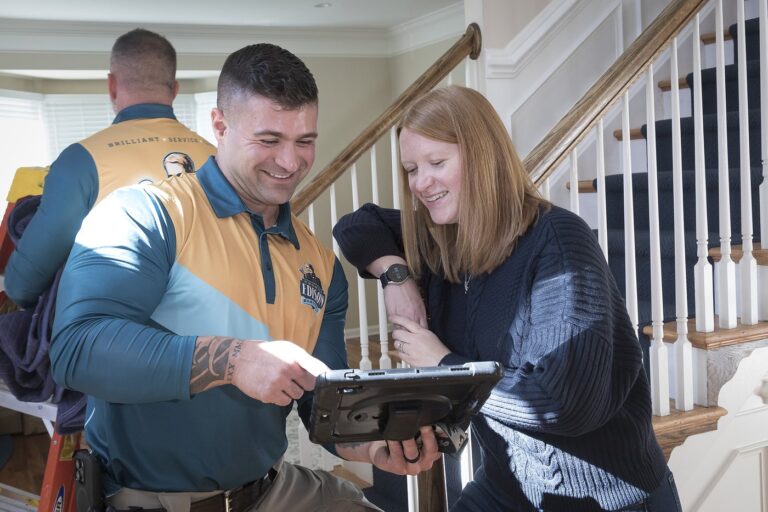
Thomas Edison Electric helps Florida homeowners install EV chargers safely and correctly. Our experienced electricians can evaluate your electrical system, recommend the best charging solution, and complete installation according to electrical safety standards.
If you are considering adding an EV charger to your home, contact Thomas Edison Electric today to schedule a professional installation.