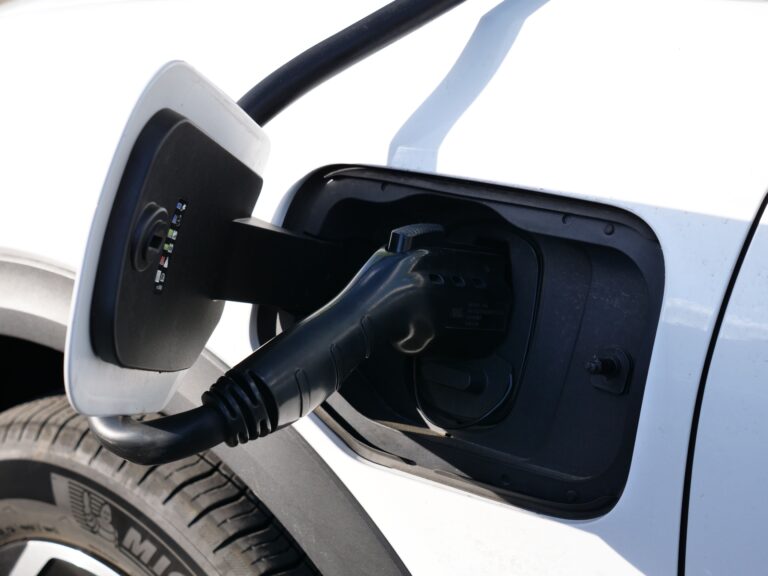

Installing a home EV charger is one of the best ways to make owning an electric vehicle more convenient. Instead of planning your schedule around public charging stations, you can simply plug in your vehicle at home and wake up with a full battery every morning.
But what if you don’t have a garage?
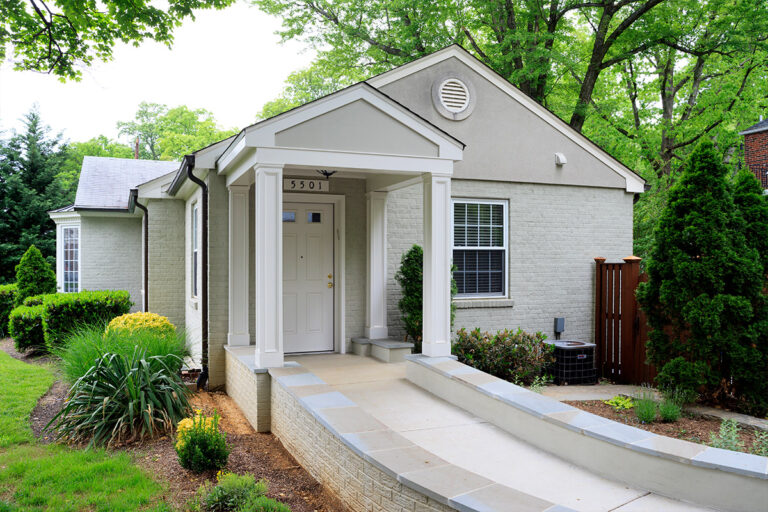
The good news is that many EV chargers are designed for outdoor installation. Whether your vehicle is parked in a driveway, carport, or beside your home, a professionally installed outdoor charging station can provide the same convenience as an indoor setup. However, Florida’s unique climate presents challenges that homeowners should consider before choosing a location and installing their equipment.
From heavy rain and high humidity to intense heat and coastal salt air, here’s what Florida homeowners should know before installing an outdoor EV charger.
Can an EV Charger Be Installed Outdoors?
Absolutely. Many Level 2 EV chargers are specifically designed for outdoor use and are built to withstand the elements. These chargers feature weather-resistant enclosures that protect the internal electrical components from rain, moisture, and dust while providing reliable charging throughout the year.
When installed correctly, an outdoor charging station can perform just as safely and efficiently as one located inside a garage.
The key is ensuring the charger is designed for outdoor use and installed by a licensed electrician who understands Florida’s electrical codes and environmental conditions.
Florida’s Climate Requires the Right Equipment
Florida weather is unlike almost anywhere else in the country. High temperatures, frequent afternoon thunderstorms, humidity, hurricane season, and, in many coastal communities, salt-laden air all create conditions that electrical equipment must be able to withstand.
Not every EV charger is intended for permanent outdoor exposure. Choosing equipment with a weather-resistant enclosure helps protect your investment from moisture and corrosion while extending the life of the charging station.
If your home is located near the coast, your electrician may also recommend equipment and installation methods that provide additional protection against the effects of salt air, which can accelerate corrosion over time.
Selecting the right charger from the beginning helps ensure dependable performance for years to come.
Choosing the Best Location
One of the most important parts of an outdoor EV charger installation is selecting the right location.
Ideally, the charger should be positioned where the charging cable can easily reach your vehicle without stretching across walkways or creating a tripping hazard. It should also be installed in an area that provides convenient access while protecting the equipment from unnecessary exposure whenever possible.
Many homeowners choose to install their charger beside the driveway, inside a carport, or on an exterior garage wall. Others may need a custom solution depending on where they regularly park their vehicle.
A professional electrician can evaluate your property’s layout and recommend the most practical location based on your parking habits, electrical system, and future needs.
Proper Electrical Protection Matters
An outdoor EV charger draws a significant amount of electricity, making proper installation essential for both safety and performance.
Installing a Level 2 charger requires a dedicated 240-volt circuit sized specifically for the charging equipment. Depending on the charger and your home’s electrical system, additional protective devices may also be required to meet current electrical codes.
Because outdoor installations are exposed to rain and changing weather conditions, every electrical connection must be properly sealed and protected against moisture intrusion.
Professional installation helps ensure your charging station operates safely regardless of the weather outside.
Will Your Electrical Panel Support an Outdoor Charger?
Before any EV charger is installed, your electrician will determine whether your home’s electrical panel has enough available capacity.
Many Florida homes can accommodate a Level 2 charger without difficulty. However, if your electrical panel is older or already supporting large electrical loads such as air conditioning systems, pool equipment, or electric water heaters, additional upgrades may be necessary.
A licensed electrician will perform a load calculation to determine whether your existing electrical service can safely support the charger or whether a panel upgrade is recommended.
Completing this evaluation before installation helps prevent future electrical issues and ensures your charging station performs reliably.
Preparing for Hurricane Season
Florida homeowners know the importance of preparing for hurricane season, and your EV charger should be part of that preparation.
Professionally installed charging equipment is securely mounted and connected according to current electrical codes, helping it withstand normal weather conditions throughout the year. While no electrical equipment should ever be used during flooding or severe storm damage, a properly installed charger is designed to safely handle Florida’s everyday weather far better than temporary or improperly installed equipment.
If your property experiences storm damage, it’s always a good idea to have any outdoor electrical equipment inspected before returning it to service.
Think About the Future
Many households eventually purchase a second electric vehicle, making it worthwhile to think beyond your immediate charging needs.
During installation, your electrician can discuss options that allow for future expansion, whether that means installing conduit for an additional charger later or evaluating your electrical panel to ensure it can accommodate future upgrades.
Planning ahead today can make future installations easier and more affordable.
Why Professional Installation Is Worth It
Installing an outdoor EV charger involves much more than attaching equipment to an exterior wall.
Your electrician must evaluate your electrical panel, install a dedicated circuit, select wiring suitable for outdoor use, ensure the installation complies with Florida’s electrical codes, and verify that every connection is protected from the elements.
Attempting to install a charger without the proper knowledge can create safety hazards, reduce charging performance, and potentially damage both your charging equipment and your home’s electrical system.
Professional installation provides peace of mind that your charging station has been installed safely and is ready to deliver dependable performance for years to come.
Trust Thomas Edison Electric for Outdoor EV Charger Installation in Florida
Whether you park in a garage, driveway, or carport, an outdoor Level 2 EV charger can make charging your electric vehicle easier, faster, and more convenient. The key is choosing equipment that’s designed for Florida’s climate and having it installed by experienced professionals who understand the unique demands of outdoor electrical work.
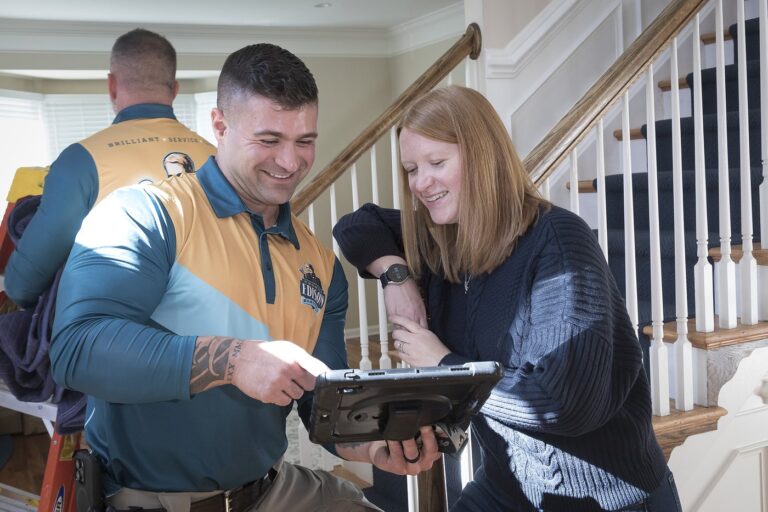
Thomas Edison Electric proudly provides professional outdoor EV charger installation services for homeowners throughout Florida. Our licensed electricians can help you choose the right charger, evaluate your home’s electrical system, and complete a safe, code-compliant installation built to withstand Florida’s heat, humidity, and frequent storms.
If you’re ready to enjoy the convenience of home charging without relying on public stations, contact Thomas Edison Electric today to schedule your EV charger installation consultation.