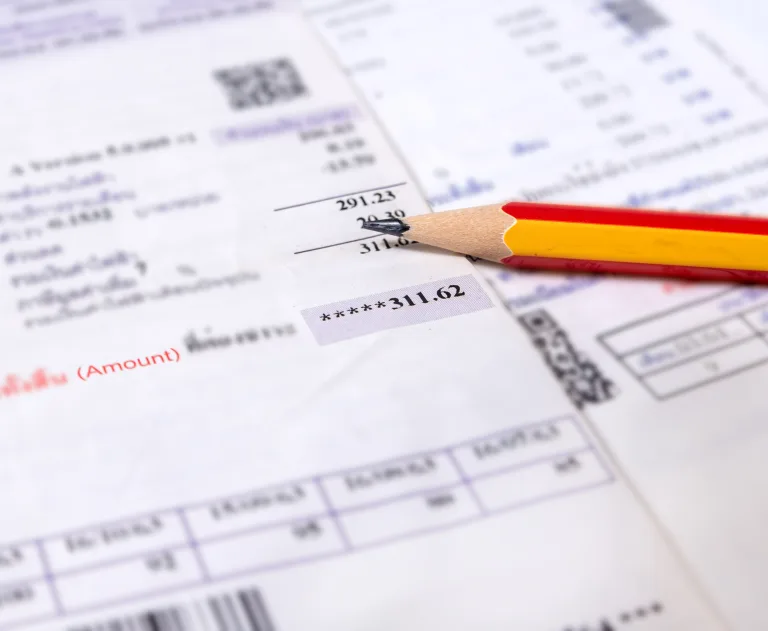
An FPL bill is not written to be read. It is written to be paid. The number most people look at is the one at the bottom, and everything above it is a wall of line items that never gets explained. That is a problem in a house where cooling runs most of the year, because the bill is the only regular signal you get about how the electrical system is actually behaving. A jump that has nothing to do with the weather is often the first hint of a failing appliance, a pool pump running longer than it should, or a circuit that is not doing what you think it is.
What each block on the statement is telling you
Below is a plain reading of the statement, section by section, and the specific patterns that are worth a second look rather than a shrug. Note that we are electricians, not your utility: for a billing dispute you want FPL directly. What we can tell you is whether the house is the reason the number moved.
Next, the billing summary outlines your total charges, including previous balances, payments, and the amount due. Reviewing this section each month allows you to spot sudden increases, which often occur during extended heat waves when air conditioning systems work harder.
Energy usage is one of the most critical sections. Measured in kilowatt-hours, it shows how much electricity you consume over time. In Florida, usage often spikes due to cooling systems, pool equipment, and storm-related power fluctuations. Therefore, comparing your monthly usage can help identify trends and potential inefficiencies.
Rates, fuel charges, and the part that actually varies
Your rate plan and cost per kilowatt-hour directly impact your total bill. Some Florida utility providers use variable rates or time-of-use pricing, which means your costs may increase during high-demand periods. Consequently, running appliances during off-peak hours can help reduce expenses.
Electric bills also include supply and delivery charges. Supply charges cover the cost of generating electricity, while delivery charges pay for maintaining power lines and infrastructure. Although you cannot eliminate these fees, understanding them helps you better manage your budget.
Additionally, taxes and regulatory fees appear on every bill. These costs vary by location but remain a consistent part of your total. While they are unavoidable, being aware of them prevents confusion when reviewing your statement.
Where the usage usually turns out to be going
Once you understand your bill, you can take steps to lower your energy costs. In Florida, cooling systems account for a large portion of electricity use. Therefore, adjusting your thermostat even slightly can make a noticeable difference.
We often recommend several practical strategies to improve efficiency:
- Monitor your monthly energy usage to identify spikes and patterns
- Upgrade to energy-efficient appliances and LED lighting
- Use smart thermostats to manage cooling more effectively
- Install smart power strips to eliminate phantom energy use
- Schedule heavy appliance use during off-peak hours
Additionally, proper insulation and sealing can reduce the strain on your HVAC system. Because Florida’s climate is both hot and humid, your system works harder than in many other states. Consequently, improving efficiency can significantly lower your monthly bill.
When a bill is a symptom of something wired wrong
Florida homes face unique electrical challenges. Frequent storms, lightning strikes, and power surges can impact both your energy usage and your bill. Therefore, working with an electrician near me ensures your system can handle these conditions safely and efficiently.
At Thomas Edison Electric, we provide services such as panel upgrades, surge protection, and energy audits. These solutions not only protect your home but also improve overall efficiency. For example, an outdated panel may struggle to distribute power evenly, which can lead to higher usage and inconsistent performance.
Moreover, we help homeowners understand time-of-use rates and recommend adjustments that align with their daily routines. By optimizing when and how you use electricity, you can reduce costs without sacrificing comfort.
If your bill moved and the weather did not
Reading your electric bill does not have to be confusing. With the right knowledge and professional guidance, you can make smarter decisions that lower your costs and improve your home’s efficiency. At Thomas Edison Electric, we are committed to helping Florida homeowners and businesses take control of their energy usage with reliable, customized solutions.
If you are tired of high energy bills or unsure what your statement really means, now is the time to act. Contact Thomas Edison Electric today to connect with a trusted electrician near me. Our team proudly serves communities across Florida with expert service, fast response times, and solutions designed to keep your energy costs under control year round.