If you own a Tesla, or are considering buying one, you may be wondering whether you can install a Tesla charger at home and what the installation involves.
Home charging can make owning an electric vehicle significantly more convenient, allowing you to recharge overnight instead of relying entirely on public charging stations. But installing a Tesla charger is an electrical project, and the right setup depends on your vehicle, charger, home, and existing electrical system.
Here’s what Florida homeowners should know about Tesla charger installation.
Can You Install a Tesla Charger at Home?
Yes. Tesla vehicles can be charged at home using several different charging options.
Some Tesla owners use a standard household outlet for slower charging, while others install a dedicated Level 2 charging solution for faster charging.
A dedicated home charger can be particularly convenient if you drive frequently or want to add a substantial amount of range overnight.
The appropriate installation depends on the specific Tesla model and charging equipment you plan to use.
What Is a Tesla Wall Connector?
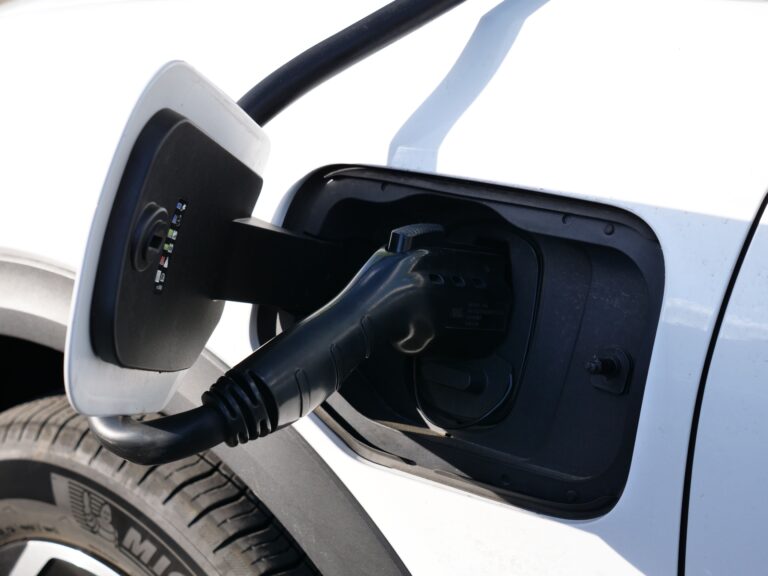
The Tesla Wall Connector is a home charging solution designed for Tesla vehicles.
Unlike charging from a standard household outlet, a Wall Connector is typically installed as part of a dedicated electrical circuit. Depending on the installation and vehicle, it can provide substantially faster charging than a standard 120-volt outlet.
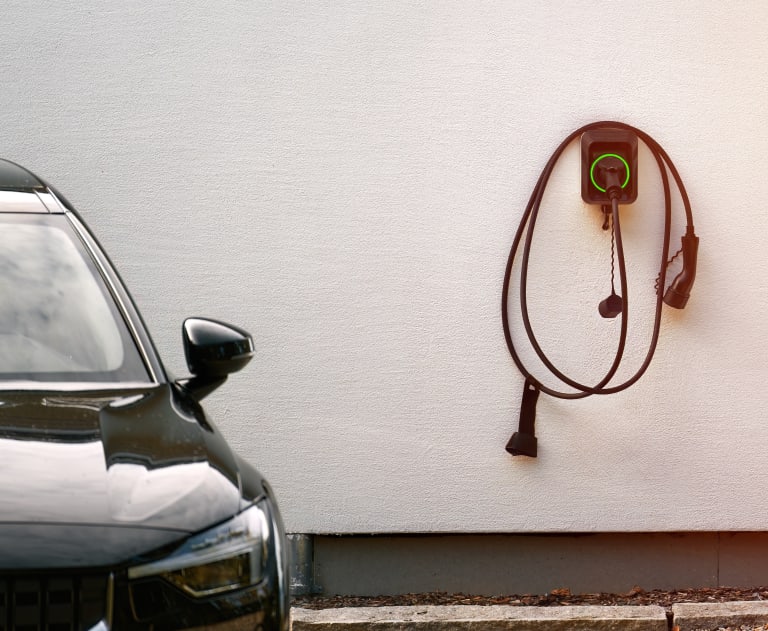
The Wall Connector can be installed in a garage or, when appropriately rated and installed, in an outdoor location.
Because installation involves connecting the equipment to your home’s electrical system, it’s important to have the electrical requirements evaluated before installation.
How Much Electrical Power Does a Tesla Charger Need?
The electrical requirements depend on the specific Tesla charging equipment and configuration.
A Level 2 Tesla charging setup typically uses a 240-volt electrical circuit. The circuit’s amperage and the charger’s maximum output need to be matched appropriately to the equipment and vehicle.
A higher-powered charger isn’t automatically better. Your Tesla has its own charging capabilities, and your home’s electrical system also has limits.
An electrician can evaluate your existing system and determine what type of circuit is appropriate for the charger you plan to install.
Does a Tesla Charger Require a Dedicated Circuit?
A professionally installed Tesla Wall Connector typically requires a dedicated circuit.
This means the circuit is intended specifically for the EV charger rather than being shared with other household appliances or outlets.
A dedicated circuit helps ensure the charger has an appropriate electrical supply and allows the installation to be designed around the charger’s specific requirements.
The circuit, wiring, breaker, and other electrical components all need to be appropriately sized for the installation.
Do I Need to Upgrade My Electrical Panel for a Tesla Charger?
Not necessarily.
Installing a Tesla charger does not automatically mean you need a new electrical panel.
An electrician can evaluate your home’s existing electrical service, panel capacity, current electrical load, and the requirements of the Tesla charging equipment.
If your system has sufficient capacity, a dedicated circuit may be all that’s needed.
If the existing system has limited capacity or other issues, additional electrical work may be necessary.
This is especially worth considering in older Florida homes or homes with numerous high-demand electrical appliances.
Can I Install a Tesla Charger Outside?
Tesla charging equipment can be installed outdoors when the specific equipment is rated for outdoor use and installed according to the manufacturer’s requirements.
Outdoor installations require additional consideration because Florida homes are exposed to heat, humidity, rain, and severe weather.
The location of the charger, electrical connections, wiring, and other components should be carefully planned to provide a safe and durable installation.
An electrician can help determine the best location based on your home’s layout and the equipment you’re using.
Where Should I Install My Tesla Charger?
For many homeowners, the garage is the most convenient location.
However, not every home has a garage, and some homeowners park in a driveway or other outdoor area.
When choosing a location, consider:
- Where you normally park your Tesla
- The distance from the electrical panel
- The length of the charging cable
- Whether the charger will be installed indoors or outdoors
- Protection from weather and physical damage
- How easily you can access the charging equipment
Installing the charger relatively close to the electrical panel can potentially simplify the installation, but the best location ultimately depends on the home’s layout.
Can I Use a Regular Outlet to Charge My Tesla?
Yes, a Tesla can generally be charged using a standard household outlet with the appropriate charging equipment.
However, charging from a 120-volt outlet is considerably slower than using a dedicated Level 2 charging setup.
For homeowners who drive only short distances each day, slower charging may be sufficient. For drivers who regularly travel longer distances, a dedicated Level 2 charger can provide considerably more convenience.
The best option depends on how much you drive and how quickly you need to replenish your vehicle’s battery.
How Long Does Tesla Charger Installation Take?
The installation time varies depending on the home and the complexity of the electrical work.
A straightforward installation may require relatively little electrical work beyond installing the appropriate circuit and connecting the charger.
More complicated installations may take longer, particularly if the electrical panel is far from the charger location or additional electrical upgrades are needed.
An electrician can assess your home and give you a better idea of what the installation will involve.
What If My Electrical Panel Is Full?
A full electrical panel doesn’t automatically mean you can’t install a Tesla charger.
An electrician can evaluate the panel and existing circuits to determine whether there is an appropriate way to accommodate the additional electrical load.
Depending on the home’s electrical system, the solution could involve additional electrical work, a panel upgrade, or another appropriate configuration.
Simply adding a breaker without evaluating the home’s overall electrical capacity isn’t enough.
Should I Install a Tesla Charger Before Buying the Car?
You can, but it’s worth planning the installation around the specific vehicle and charging equipment you intend to use.
If you’re purchasing a Tesla, having an electrician evaluate your home beforehand can help you understand what the installation will require.
This can be particularly useful if you live in an older home or aren’t sure about the capacity of your electrical panel.
Planning the installation before your vehicle arrives can also ensure that your home charging setup is ready when you need it.
Get Professional Tesla Charger Installation in Florida
A home Tesla charger can make EV ownership significantly more convenient, but proper installation is essential.
The appropriate circuit, wiring, breaker, charging equipment, and installation location all depend on your home’s electrical system and the requirements of the charger.
Thomas Edison Electric can evaluate your home’s electrical system, determine what is needed for Tesla charger installation, and install the appropriate equipment.
Whether you’re installing a Tesla Wall Connector in your garage or setting up an outdoor charging station, professional electrical installation can help ensure your home is ready for reliable EV charging.