
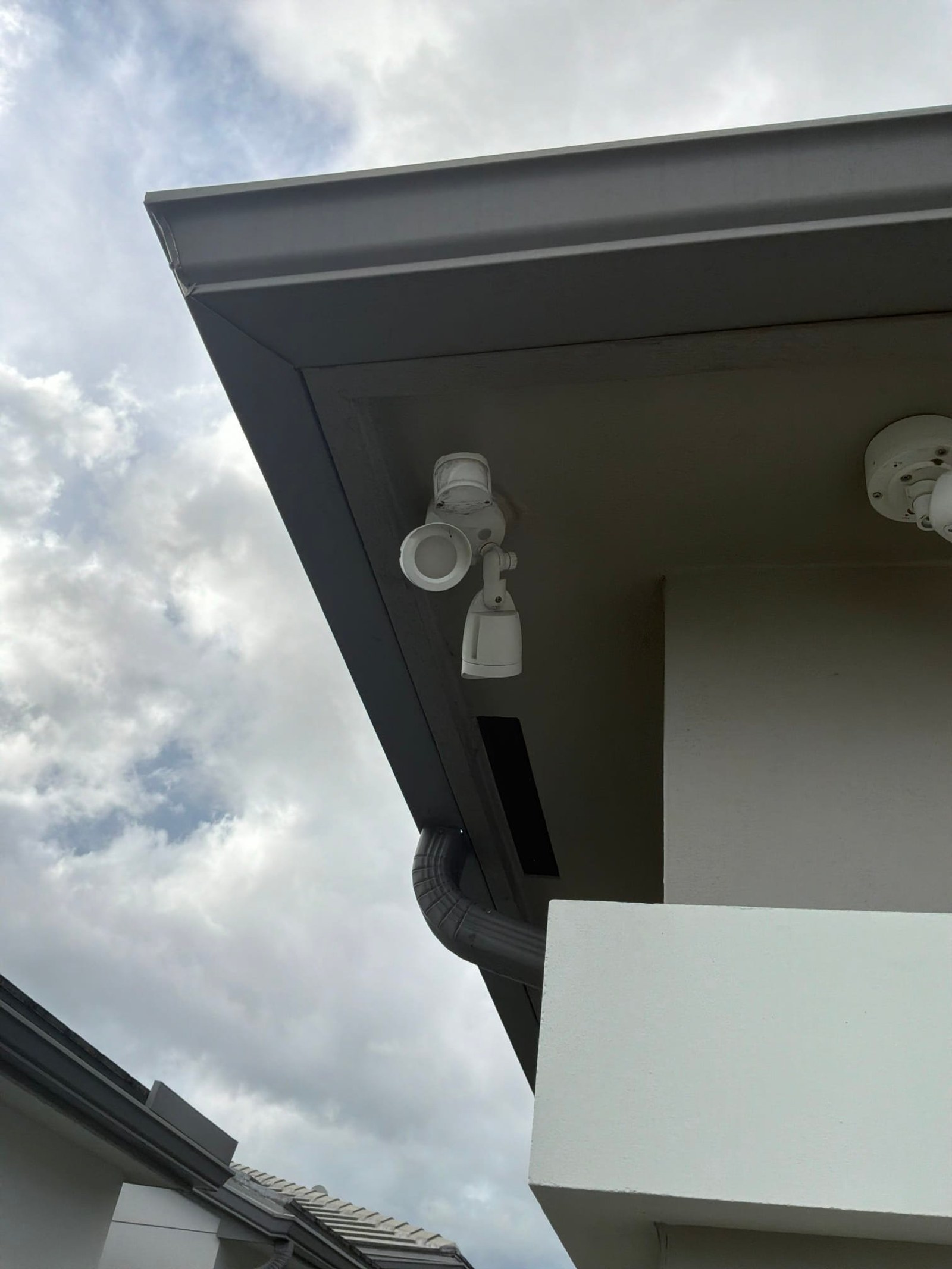
Before & After
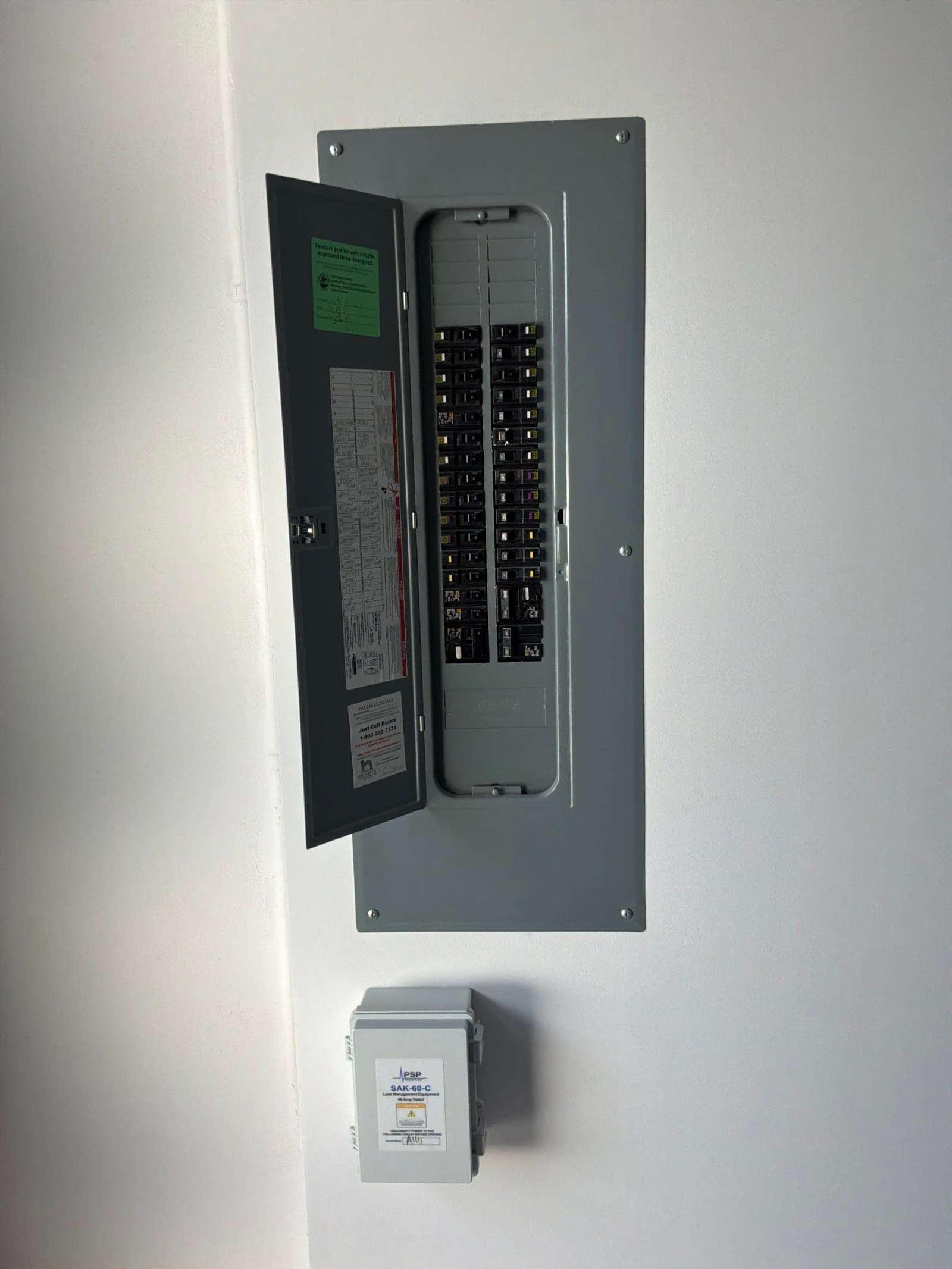 Before
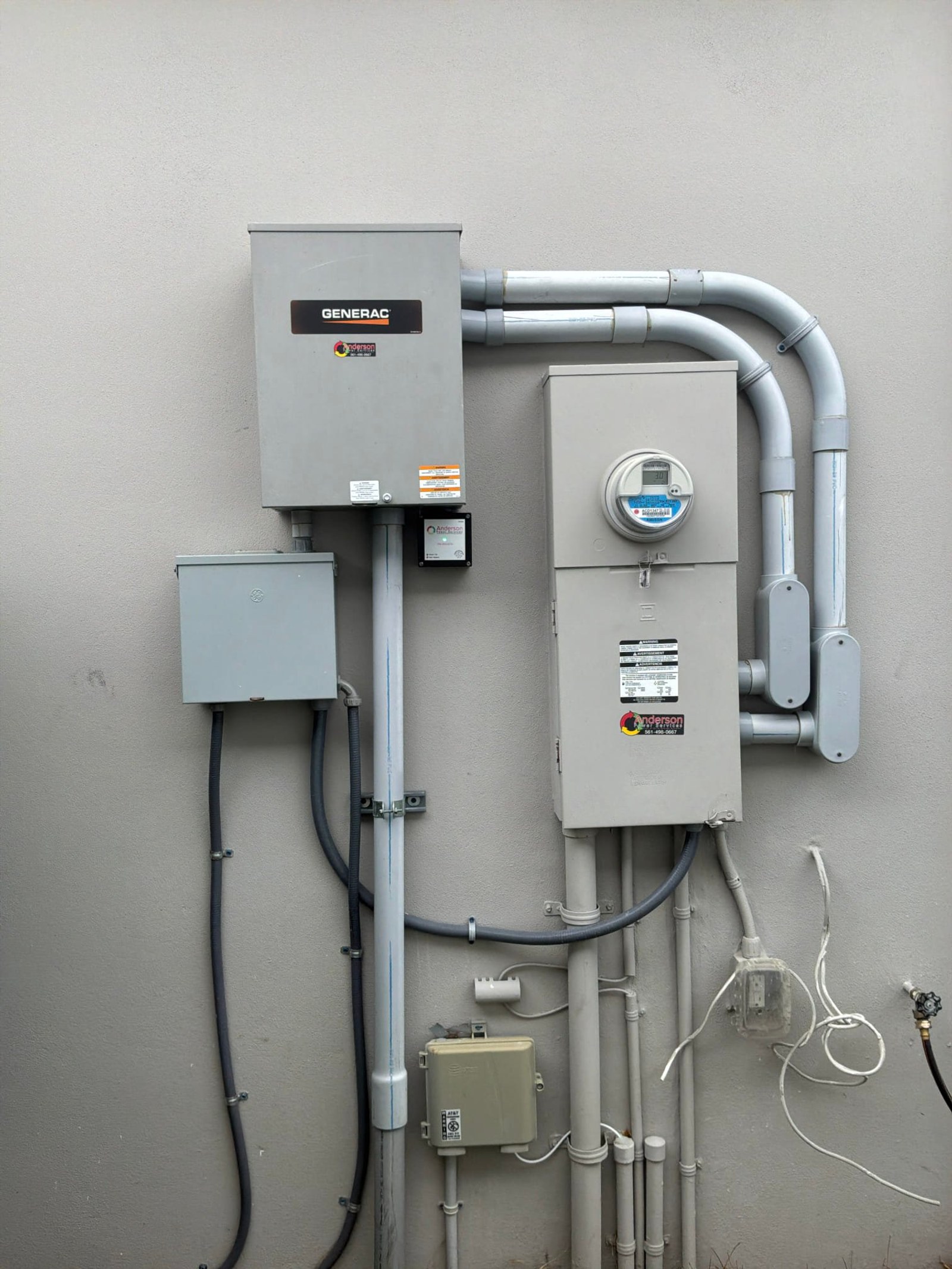 After
This Boca Raton smoke detector installation case study walks through the real diagnosis, the fix, and the code details from a recent service call. A homeowner in Boca Raton, FL (33434) reached out to schedule a thorough check of six smoke detectors throughout their home, some of which may have needed replacement. Our licensed field team arrived, worked through a full visual safety inspection of the electrical system alongside the detector review, and left the household with a clean bill of health across every checkpoint.
The Problem
The homeowner wanted confidence that the smoke detection system was current and working correctly. With ceilings running approximately 15 to 20 feet, reaching the units safely required the right equipment and preparation.
“I have six smoke detectors that need to be checked or possibly replaced. I’d like a heads-up call before the electrician arrives.”
Our team coordinated the pre-arrival call, arrived prepared with the proper ladders for the high ceiling heights, and got to work.
Investigation
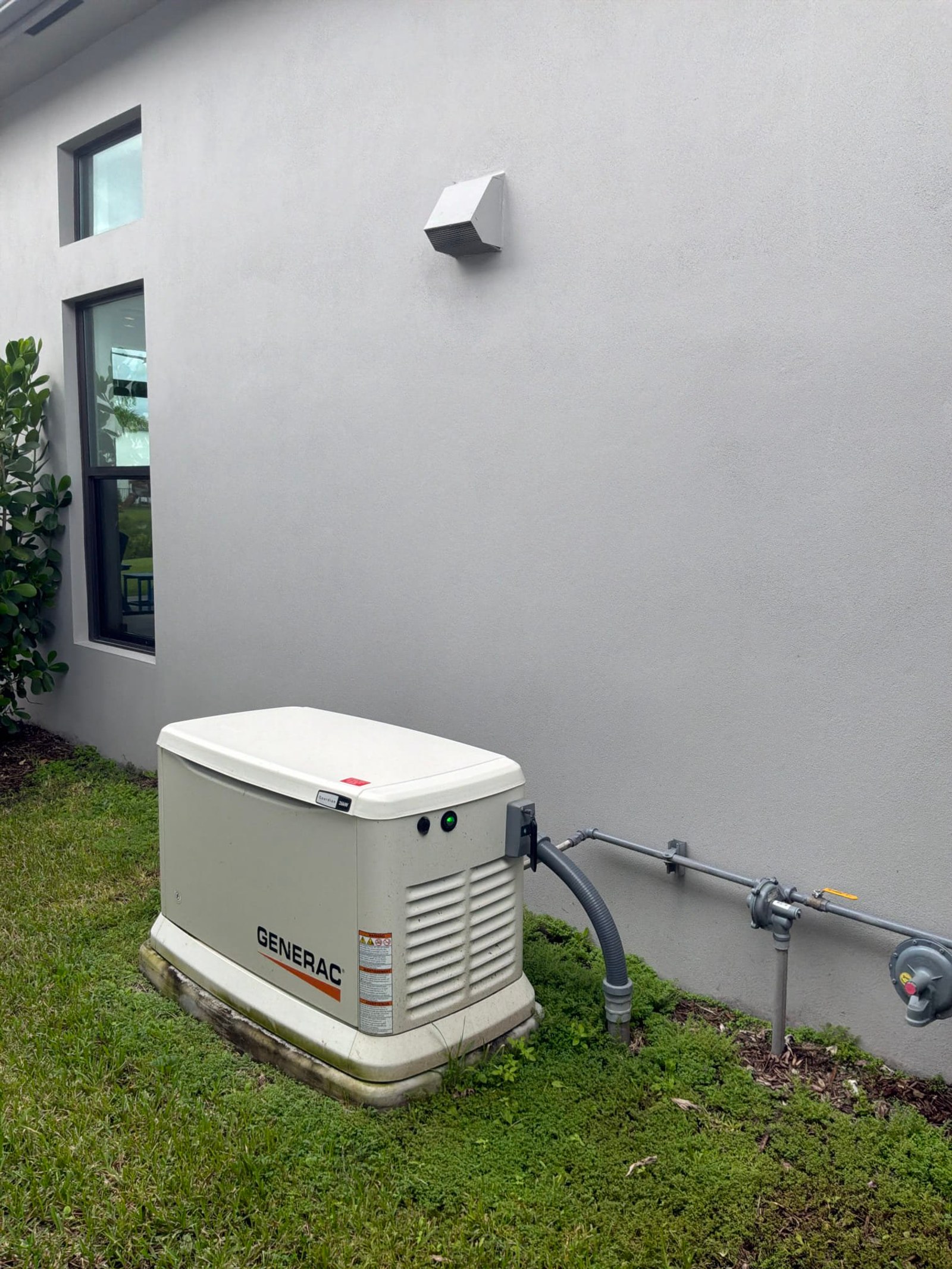
The licensed electrician on site began with a full walk-through, covering the smoke and carbon monoxide detection system as well as the broader electrical installation. A few observations from the visit are worth noting.
Panel and Service Review
The home is served by a Square D Homeline 200-amp panel. The circuit directory was visible and readable, a detail that is easy to overlook but genuinely useful during any future service call or emergency. The team noted the panel labeling, breaker sizing, grounding system, and busbar condition, and every checkpoint came back green. The Square D Homeline lineup is a well-regarded platform, and this panel showed no signs of wear or concern.
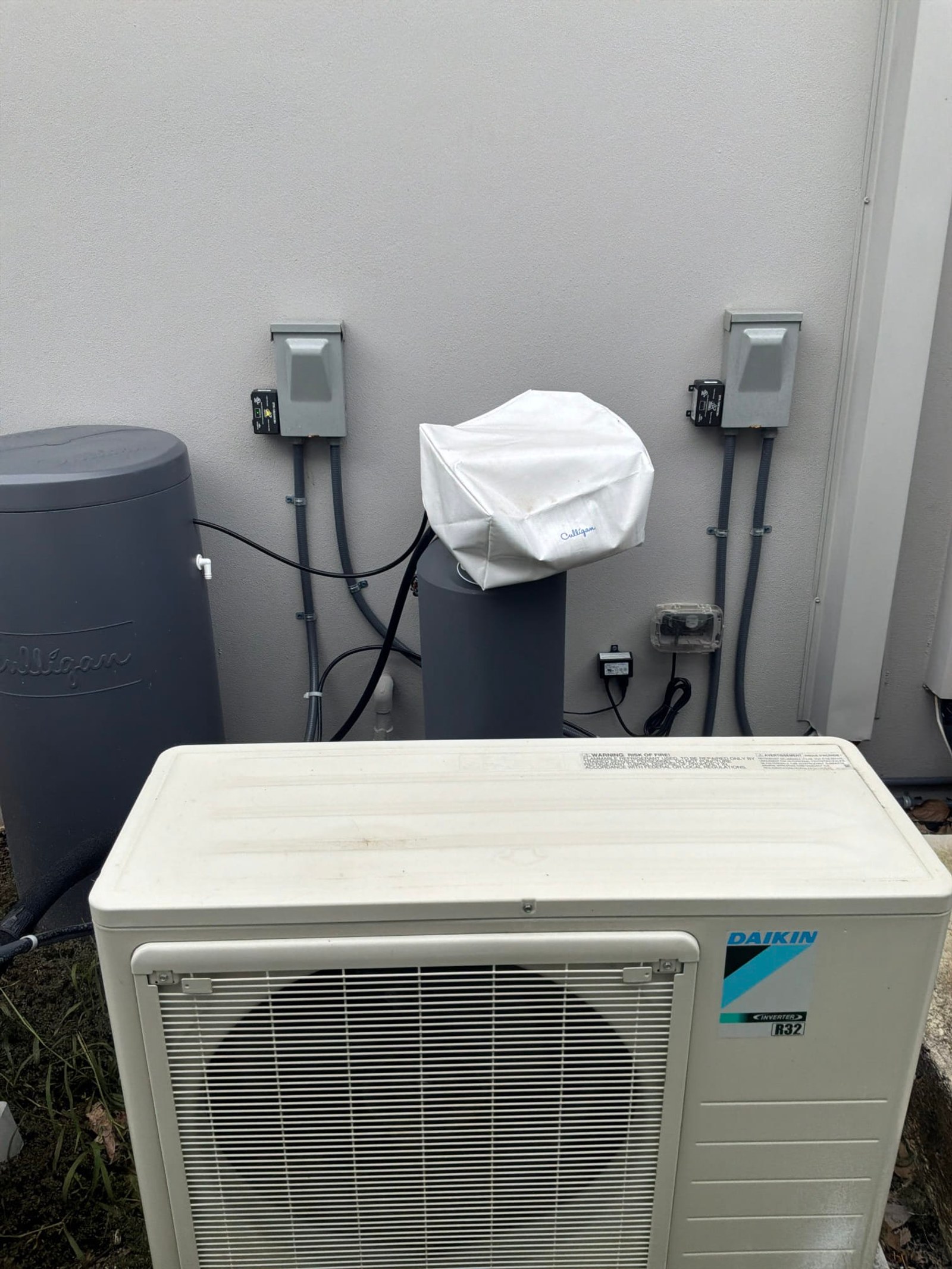
Exterior equipment included a Daikin AC condenser with weatherproof service disconnect covers, a Generac standby generator on a concrete pad with conduit routing to a transfer switch, and an exterior motion-sensor floodlight on the soffit. Each of these items was noted as part of the visual review.
Smoke and CO Detector Assessment
All six smoke detectors passed the inspection. Carbon monoxide detection was also confirmed present in the home. NFPA 72 sets the placement and interconnect standards for residential smoke and CO alarms, and the home’s system aligned with those guidelines. Where detectors in high-ceiling applications are mounted, proper placement height matters for reliable detection, and our team confirmed appropriate positioning throughout.
Whole-Home Electrical Sweep
The inspection covered GFCI protection in required areas, AFCI protection on applicable circuits, outlet grounding, tamper-resistant receptacles, surge protection, and more. Every item reviewed returned a passing result. No double-tapped breakers, no open knockouts, no backstabbed outlets, and no corrosion or burning anywhere in the system.
What We Fixed
Because every inspection item passed, no corrective work was required on this visit. The six smoke detectors were checked and verified. The overall electrical system, from the Square D Homeline panel to the exterior Generac transfer switch and the Daikin AC disconnect, all reflected a home that has been well maintained.
In cases like this, the value of the inspection is the confirmation itself. The homeowner now has a documented baseline for this home’s electrical condition.
Why This Boca Raton Smoke Detector Installation Matters for Homeowners
Smoke and carbon monoxide detectors are easy to overlook during the everyday rhythm of family life. Batteries get swapped, but the sensors themselves have a service life, typically around 10 years for smoke alarms and 5 to 7 years for CO detectors, as outlined by NFPA 72. A periodic check ensures the devices will respond the way the household expects them to, whether the family is home for dinner or away for the weekend.
For homes with high ceilings like this one, the check-up also confirms that detectors are positioned correctly. Vaulted and cathedral ceilings can affect how smoke travels, and NFPA 72 addresses placement guidance for exactly these situations. Knowing the units are in the right spots, at the right height, gives the household the kind of quiet confidence that doesn’t need a second thought.
Finally, pairing a detector review with a broader electrical walk-through means the family gets a full picture in a single visit. Everything from the panel to the outdoor equipment checked out, and that kind of documented, all-green result is exactly the peace of mind a well-cared-for home deserves.
Code Compliance Cited in This Job
Every fix above maps to a specific section of NEC 2020. Each card links to NFPA’s public NEC index.
GFCI Protection
NEC 210.8 requires GFCI protection for personnel in specific areas of a dwelling, including kitchens, bathrooms, garages, and outdoor receptacles. The inspection confirmed GFCI protection was present in all required locations throughout this Boca Raton home. NFPA reference ›
AFCI Protection
NEC 210.12 requires arc-fault circuit interrupter protection on branch circuits supplying dwelling unit outlets in bedrooms, kitchens, living rooms, and other living areas. The inspection confirmed AFCI protection was present on applicable circuits in this home. NFPA reference ›
Tamper-Resistant Receptacles
NEC 406.12 requires tamper-resistant receptacles throughout dwelling units. The inspection confirmed all outlets in this home met the tamper-resistant requirement, consistent with a properly maintained residential installation. NFPA reference ›
Circuit Directory and Identification
NEC 408.4 requires that every circuit in a panelboard be legibly identified. The Square D Homeline panel in this home had a clear, readable circuit directory, which supports efficient service and a straightforward response if a breaker ever needs to be located quickly. NFPA reference ›
Surge Protective Device at Service
NEC 230.67 requires a surge protective device at the service of a dwelling unit. The inspection confirmed surge protection was present, helping the household’s electronics and appliances ride through transient voltage events without interruption. NFPA reference ›
Common Questions
Questions homeowners ask after seeing this kind of work.
How often should smoke detectors be inspected or replaced in a Florida home?
Smoke alarms should be tested monthly and replaced every 10 years from the manufacture date, per NFPA 72 guidelines. Carbon monoxide detectors typically reach end of service between 5 and 7 years. Florida’s climate, with its humidity and occasional salt air near the coast, can accelerate sensor wear, so it is worth checking the manufacture date on each unit annually. If you are unsure of the age of your detectors, our team can schedule a 30-minute inspection and check every unit in the home.
Do smoke detectors need to be placed differently in rooms with high or vaulted ceilings?
Yes. NFPA 72 provides specific placement guidance for vaulted, cathedral, and high ceilings because smoke behaves differently as ceiling height increases. In rooms with ceilings above 12 feet, the detector position and spacing may need to be adjusted from the standard flat-ceiling recommendation. Our team has the equipment to safely service detectors at heights of 15 to 20 feet or more. Book a detector placement review if your home has tall ceilings and you want confirmation that coverage is correct.
What is included in a whole-home electrical safety inspection?
A full visual safety inspection covers the service panel, breaker sizing, grounding system, GFCI and AFCI protection, outlet condition, surge protection, exterior equipment, and more. On this visit in Boca Raton, every checkpoint across a 40-plus item checklist returned a passing result. The homeowner walked away with a clear, documented picture of the home’s electrical health. To get the same peace of mind for your household, schedule a full inspection online.
How often should I have my home’s electrical system inspected?
A yearly inspection is a good baseline for most homes. Homes built before 1990 and homes that have gone through recent storm seasons may benefit from inspections more often, since older wiring and weather-related wear can shift conditions between visits. An annual check-up also keeps any documentation current, which can be helpful if you are planning a renovation or a home sale. Schedule your annual inspection online and our team will take care of the rest.
Is a carbon monoxide detector required alongside smoke detectors in Florida residences?
Florida building code and NFPA 72 both address CO alarm requirements in residential occupancies, particularly where fuel-burning appliances or attached garages are present. This Boca Raton home had carbon monoxide detection confirmed as part of the inspection. Combination smoke and CO units are a practical choice for most households since they cover both functions with a single device. If you are unsure whether your home meets current CO detector requirements, book a quick check and we can confirm your coverage.
Want to see more real jobs like this one? Browse our completed case studies or explore our services.