
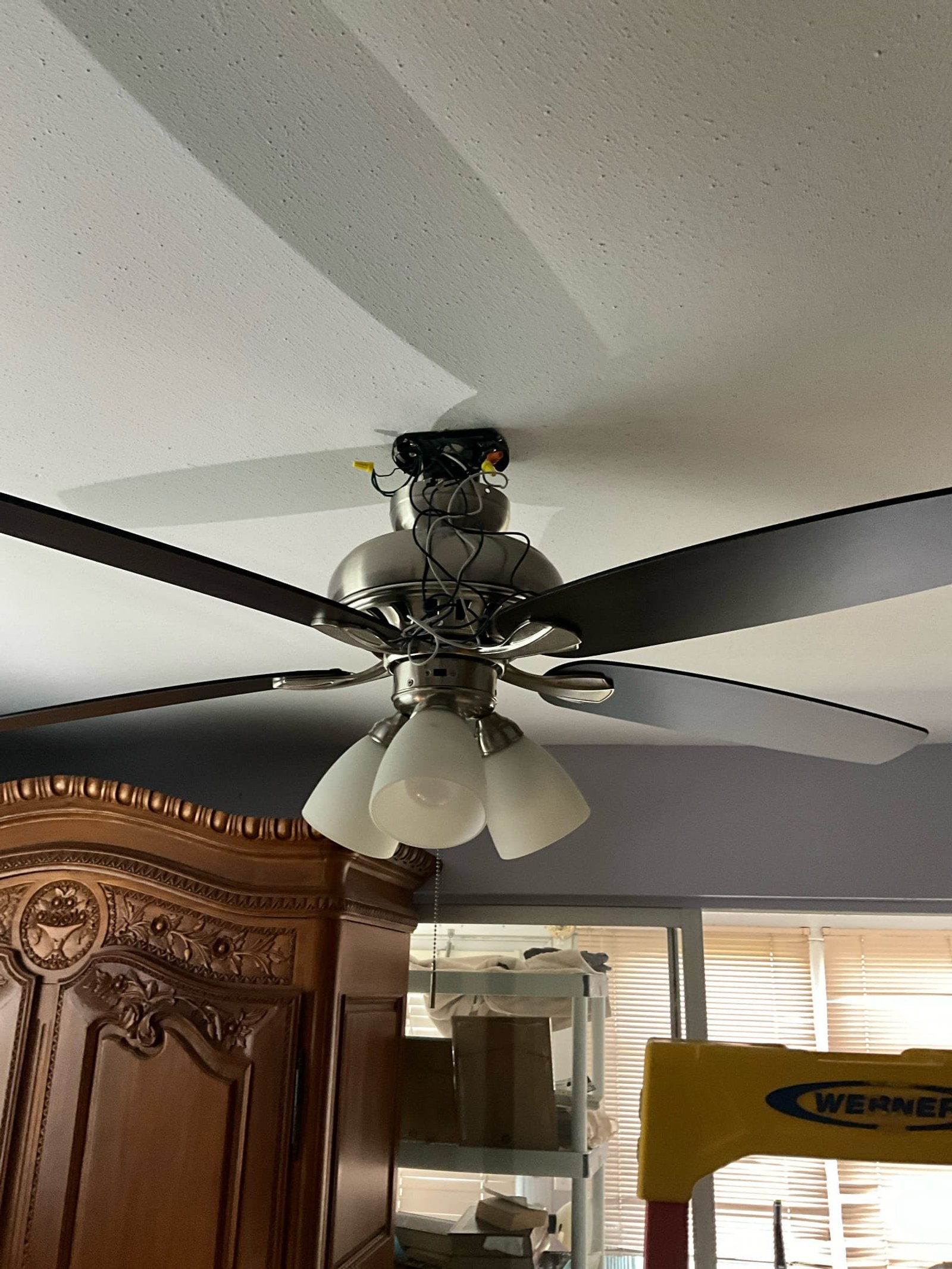
Before & After
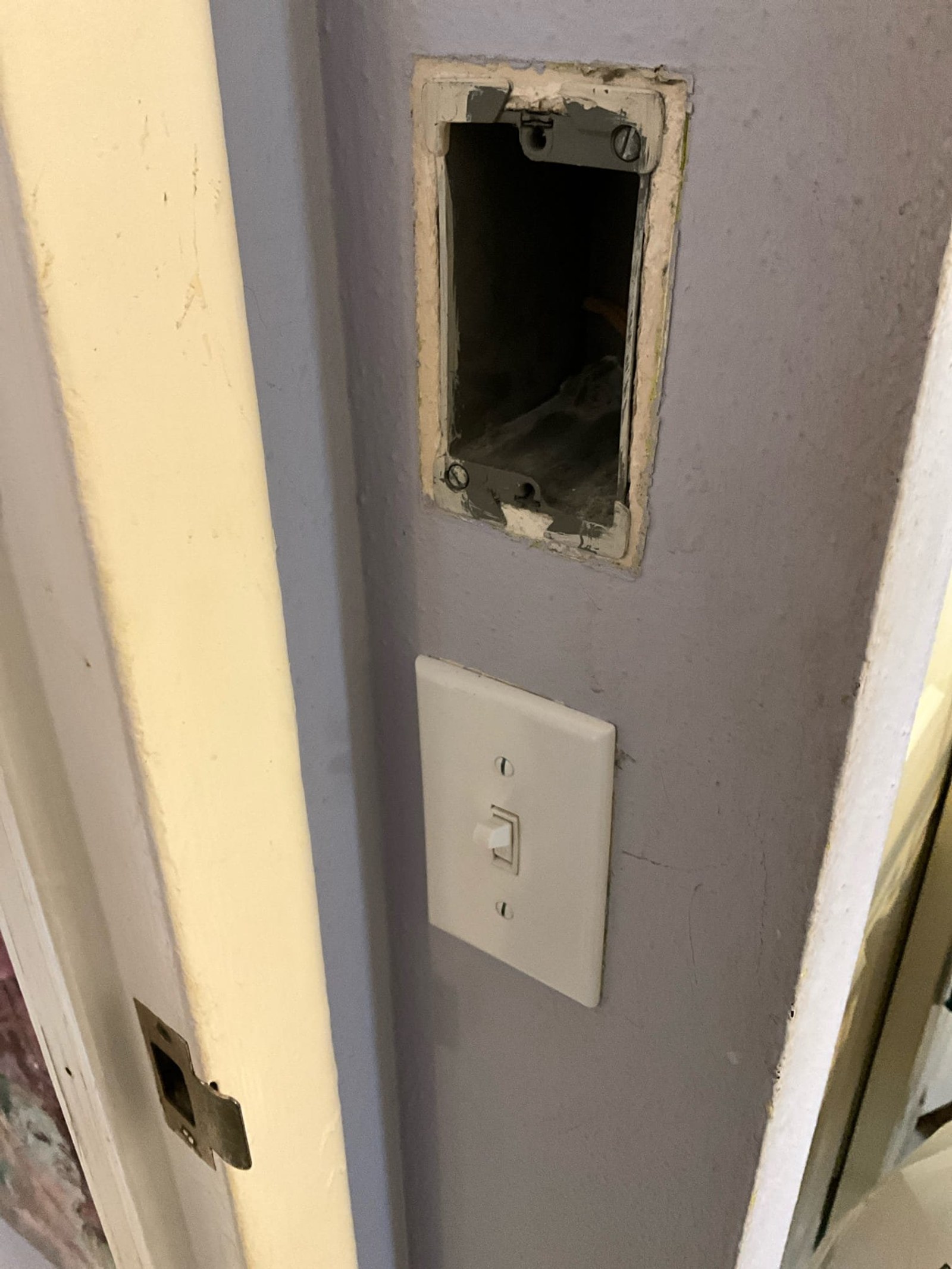 BeforeAfter
This Delray Beach electrical repair case study walks through the real diagnosis, the fix, and the code details from a recent service call. A Delray Beach, FL homeowner called us about a ceiling fan that stopped working after a handyman attempted a repair. When our field team arrived, they found more than a fan problem: an open device box, wiring that needed proper termination, and a panel ready for some meaningful upgrades. One visit addressed all of it, leaving the home more comfortable and reliable than before.
Customer’s Problem
The homeowner noticed the ceiling fan was not performing correctly and hired a handyman to look into it. After that visit, the fan stopped working entirely and the wall switch felt warm to the touch. Concerned, the homeowner reached out to our team for a proper diagnosis.
What Our Electrician Found
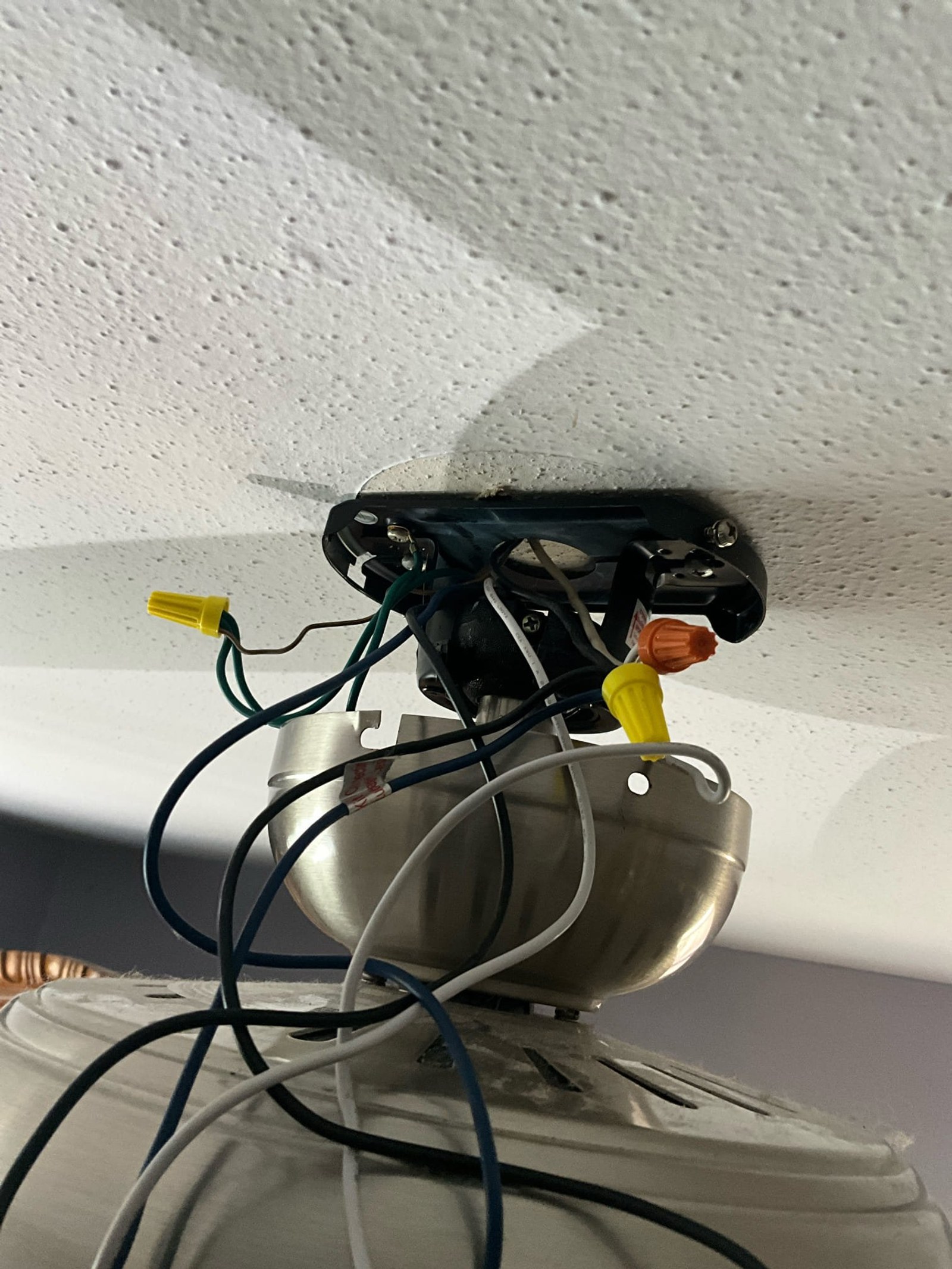
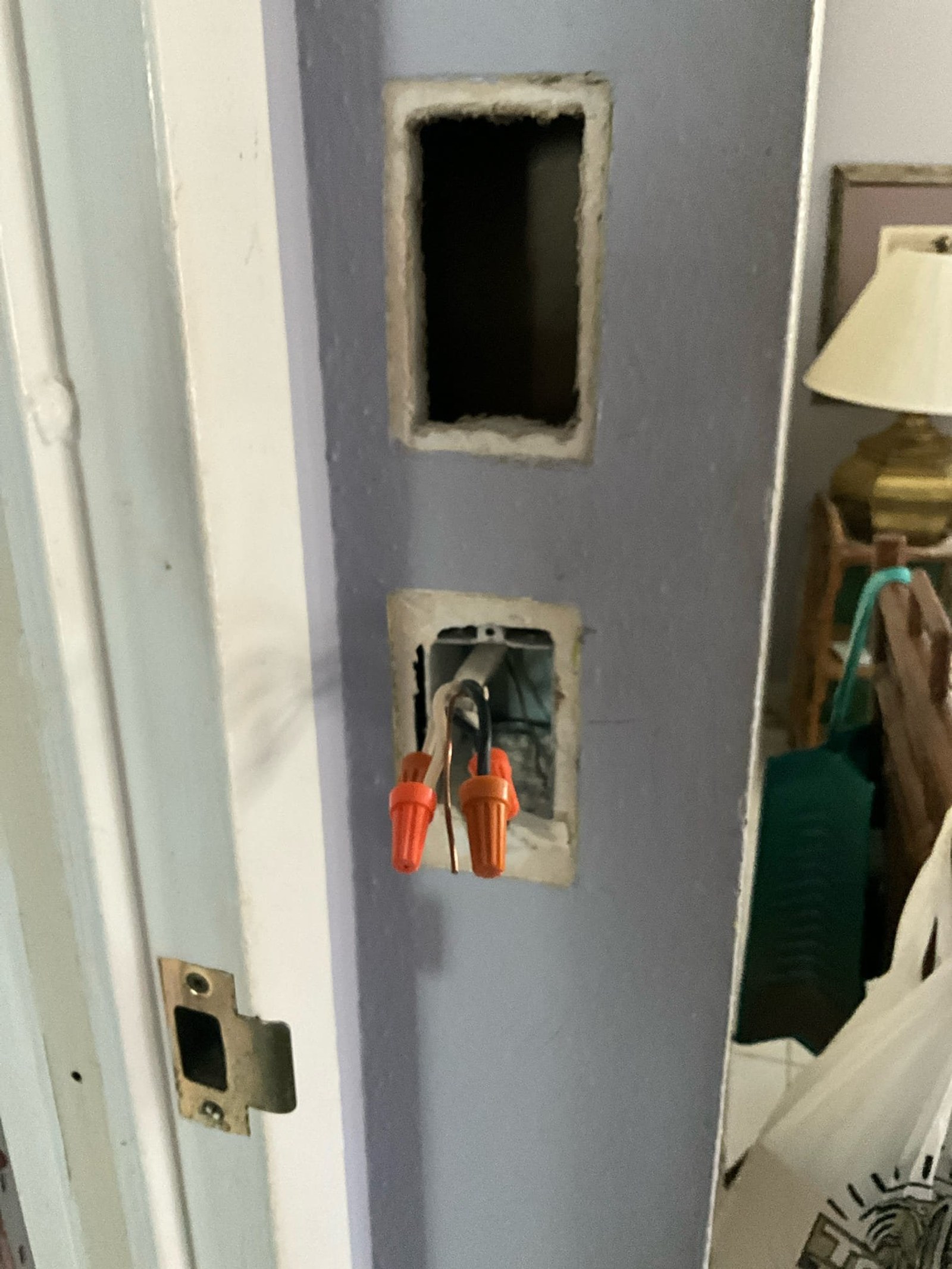
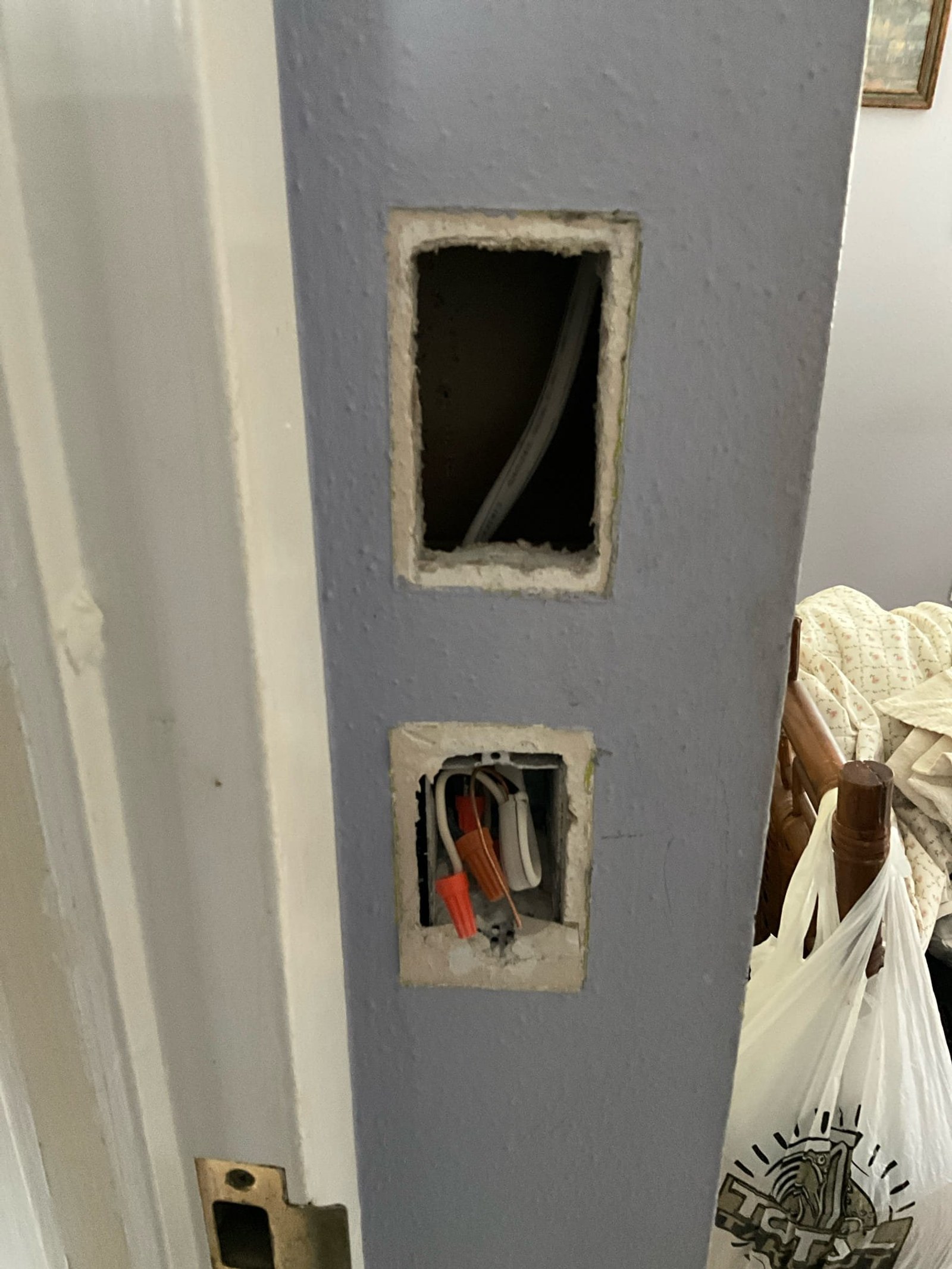
The licensed electrician on site started at the fan and traced the issue back through the wiring. In the photos taken during the job, the ceiling mount showed exposed conductors with yellow and orange wire nuts, along with black conductors that had not been secured correctly. The device box in the wall was missing its cover plate, leaving the rough-in wiring open inside the interior wall. That kind of open box is a straightforward code-compliance opportunity: current standards call for all device boxes to have a cover installed.
Additionally, the wall switch controlling the fan had been handled in a way that contributed to the warm feeling the homeowner noticed. Improper terminations at a switch can increase contact resistance over time, which is exactly the kind of condition worth addressing promptly.
While the team was on site, a broader look at the panel and the home’s safety devices revealed additional opportunities to bring things up to current standards: the panel had breakers that were due for replacement, and the home lacked whole-home surge protection and updated smoke and carbon monoxide detection.
Solution Selected
The homeowner chose a comprehensive scope that addressed the immediate fan and switch issue, then extended the work to include panel-level upgrades and whole-home safety improvements. Given what the inspection uncovered, this approach made sense: resolving the fan problem alone would have left several other items unaddressed.
Work Performed
Fan, Switch, and Device Box
Our crew restored the ceiling fan with a brushed-nickel finish, black blades, and a light kit with white shades to full operation. They installed a new single-pole 15-amp Decorator-style switch at the existing location, using proper screw-terminal connections to eliminate the resistance that had made the switch warm. A new single-gang old-work remodeler box was set into the wall, and a tamper-resistant 15-amp single receptacle was installed at the existing location. The open device box received a cover, bringing it in line with current requirements.
Panel Breaker Work
Inside the panel, the team installed a Square D HomeLine HOM115 single-pole 15-amp breaker and a Square D HomeLine HOM240 two-pole 40-amp breaker. A GE THQP 30-amp two-pole breaker was also replaced. Each new breaker fits the existing Square D HomeLine panel and provides the headroom the home’s modern loads call for.
Whole-Home Surge Protection
A PSP Vortex 120 kA whole-home surge protector was installed directly onto the residential panel. This device is rated to handle surges up to 120 kiloamperes, consistent with NEC 230.67, which now requires surge protective devices at the service for new dwelling-unit installations.
Smoke and CO Detection
Five 120-volt smart smoke and carbon monoxide combination detectors with 10-year sealed lithium battery backup were installed throughout the home. These interconnected units communicate with one another: if one activates, every unit in the home responds. This setup aligns with NFPA 72 placement and interconnection guidance.
Cord and Plug Repair
Finally, a new 15-amp, 125-volt NEMA 5-15P plug was installed on an existing cord, restoring a device connection that had been left incomplete.
Why Pricing Can Vary
Two homes with the same job on the invoice can land at different totals. On projects like this one, the total is driven by:
- How intermittent the symptom is and how long it takes to reproduce
- Number of circuits or devices that have to be checked
- Access to junction boxes, attics and crawlspaces
- Whether the repair is completed in the same visit
- Parts needed once the cause is found
Why This Delray Beach Electrical Repair Matters for Homeowners
What began as a fan that wouldn’t spin turned into a meaningful upgrade for the whole household. For a family in Delray Beach, that means the ceiling fan works the way it should, the switch feels normal, and there’s no open box behind the wall collecting questions. Small fixes like these return a home to the kind of quiet reliability where you simply don’t have to think about them.
The new PSP Vortex surge protector adds a layer of whole-home protection that matters especially during South Florida’s storm season. The home’s televisions, appliances, and computers now ride through grid fluctuations and nearby lightning events without skipping a beat. Additionally, the five interconnected smart detectors mean every room in the home talks to every other room: if conditions ever change, the whole household knows at once, giving everyone the peace of mind to go about their morning routine or sleep soundly at night.
For homeowners in the Delray Beach area, this job is a good reminder that a handyman visit gone wrong does not have to be the end of the story. A licensed electrician can start with the original complaint and, where the findings call for it, address the broader picture in one organized visit. Thomas Edison Electric holds Florida electrical contractor license EC13015487, so every item of work is backed by a licensed professional and documented for your records.
“Great service. Christina is a Great Tech. Knew her stuff. Explained everything. Polite. Service was everything it should be. On a rate 1 to 10, Christina gets a 15.”
Code Compliance Cited in This Job
Every fix above maps to a specific section of NEC 2020. Each card links to NFPA’s public NEC index.
GFCI Protection
NEC 210.8 requires GFCI protection for receptacles in kitchens, bathrooms, garages, and other specified locations in dwelling units. The tamper-resistant receptacle installed at the existing location during this job was placed in a way that keeps the home’s outlet complement consistent with current GFCI-coverage expectations for residential spaces. NFPA reference ›
Tamper-Resistant Receptacles
NEC 406.12 requires tamper-resistant receptacles in all areas of dwelling units. The replacement single receptacle installed at this Delray Beach home uses a tamper-resistant design, meeting this current-code requirement at the point of replacement. NFPA reference ›
Replacement Receptacle Requirements
NEC 406.4(D) states that replacement receptacles must comply with current code requirements. Installing a tamper-resistant, spec-grade receptacle at the existing location in this home satisfies the replacement standard and brings that outlet position up to current NEC expectations. NFPA reference ›
Surge Protective Devices at Services
NEC 230.67 requires a listed surge protective device to be installed at the service for new dwelling-unit installations. Adding the PSP Vortex 120 kA whole-home surge protector to this Delray Beach home’s panel reflects that standard and ensures the home’s electronics and appliances have panel-level surge protection in place. NFPA reference ›
Circuit Directory and Identification
NEC 408.4 requires every circuit in a panelboard to be legibly identified as to its clear, evident purpose. With three breakers replaced during this visit, the panel directory was updated to reflect the new breaker positions and their correct load assignments. NFPA reference ›
Common Questions
Questions homeowners ask after seeing this kind of work.
Can a handyman legally work on ceiling fan wiring in Florida?
In Florida, electrical work beyond basic lamp or appliance swaps generally requires a licensed electrical contractor. A handyman may replace a fan that plugs into an existing outlet, but wiring a fan to a switch leg, modifying terminations, or working inside a device box typically falls under licensed electrical work. When a previous repair leaves a switch feeling warm or a fan not running, a licensed electrician can diagnose what happened and restore everything to proper order. Schedule online to get a licensed technician on site.
Why would a wall switch feel warm after someone works on a ceiling fan?
A warm switch usually points to a termination issue: a loose connection or an improperly backstabbed wire increases resistance at that point, and resistance generates heat. This is common after a repair that disturbed the original wiring without following proper screw-terminal practices. Replacing the switch and making clean, secure connections resolves the warmth and restores normal operation. If your switch feels warm, it is worth having a licensed electrician take a look before the next storm season.
How does a whole-home surge protector differ from a plug-in strip?
A plug-in surge strip protects only the devices plugged into it. A whole-home surge protector, like the PSP Vortex installed at this Delray Beach home, mounts directly to the main panel and intercepts surges at the point where power enters the house. That means every circuit, including your HVAC, refrigerator, and built-in appliances, benefits from the protection. In South Florida, where afternoon thunderstorms and grid switching events are common, panel-level protection gives the whole household a reliable buffer. Schedule online to have one added to your panel.
How often should I have my home’s electrical system inspected?
A yearly inspection is a good baseline for most homes. Homes built before 1990 and homes that have come through recent storms may benefit from inspections more often, since older wiring systems and weather-related stress can create conditions worth monitoring. An annual check gives a licensed electrician the chance to catch small items before they become larger projects. Our team serves the Delray Beach area and can book a 30-minute visual inspection so you know exactly where your home stands.
Why are interconnected smoke and CO detectors better than standalone units?
Interconnected detectors communicate with each other across the home. When one unit senses a change, every other unit sounds at the same time, so a family asleep in a back bedroom receives the same alert as someone near the kitchen. Standalone units only signal locally, which can mean a delayed response in larger homes. The five smart detectors installed at this home follow NFPA 72 guidance on interconnection and use 10-year sealed lithium batteries, so the household stays covered without regular battery swaps. Schedule online to upgrade your home’s detection system.
Project Photos
Electrician and Technical Reviewer
Work performed by Christina, Thomas Edison Electric field electrician serving Jupiter / West Palm Beach.
Christina, the electrician on this job, is the technical reviewer of record for this case study.
Location
This project was completed in Delray Beach, Florida, in our Wellington service area.