
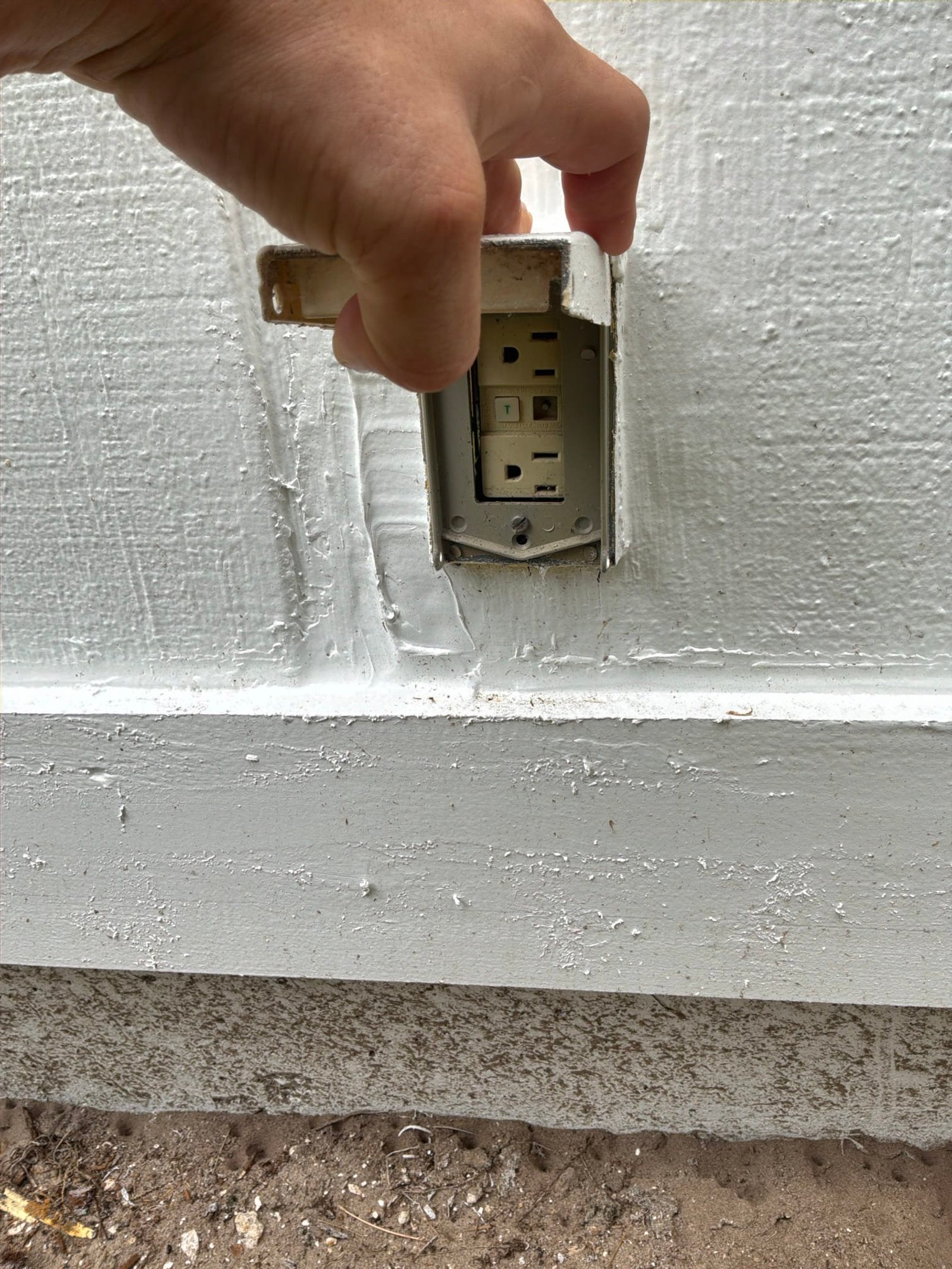
Before & After
 Before
 After
This West Palm Beach outlet repair case study walks through the real diagnosis, the fix, and the code details from a recent service call. A homeowner in West Palm Beach, FL (33418) called us to add outlets behind wall-mounted TVs in three different rooms. While the field team was on site, a walkthrough of the home turned up several areas where the receptacles and inspection items fell short of current standards. The crew addressed the TV outlet request and modernized several receptacles at the same time, leaving the home cleaner, more functional, and better aligned with today’s code.
Customer’s Problem
The homeowner wanted a tidy, wire-free look for wall-mounted televisions in three separate rooms. Rather than leave cords dangling down the wall, they wanted dedicated outlets positioned directly behind each screen. Our team was called in to handle the new rough-in work and swap out receptacles throughout the home while they were there.
What Our Electrician Found
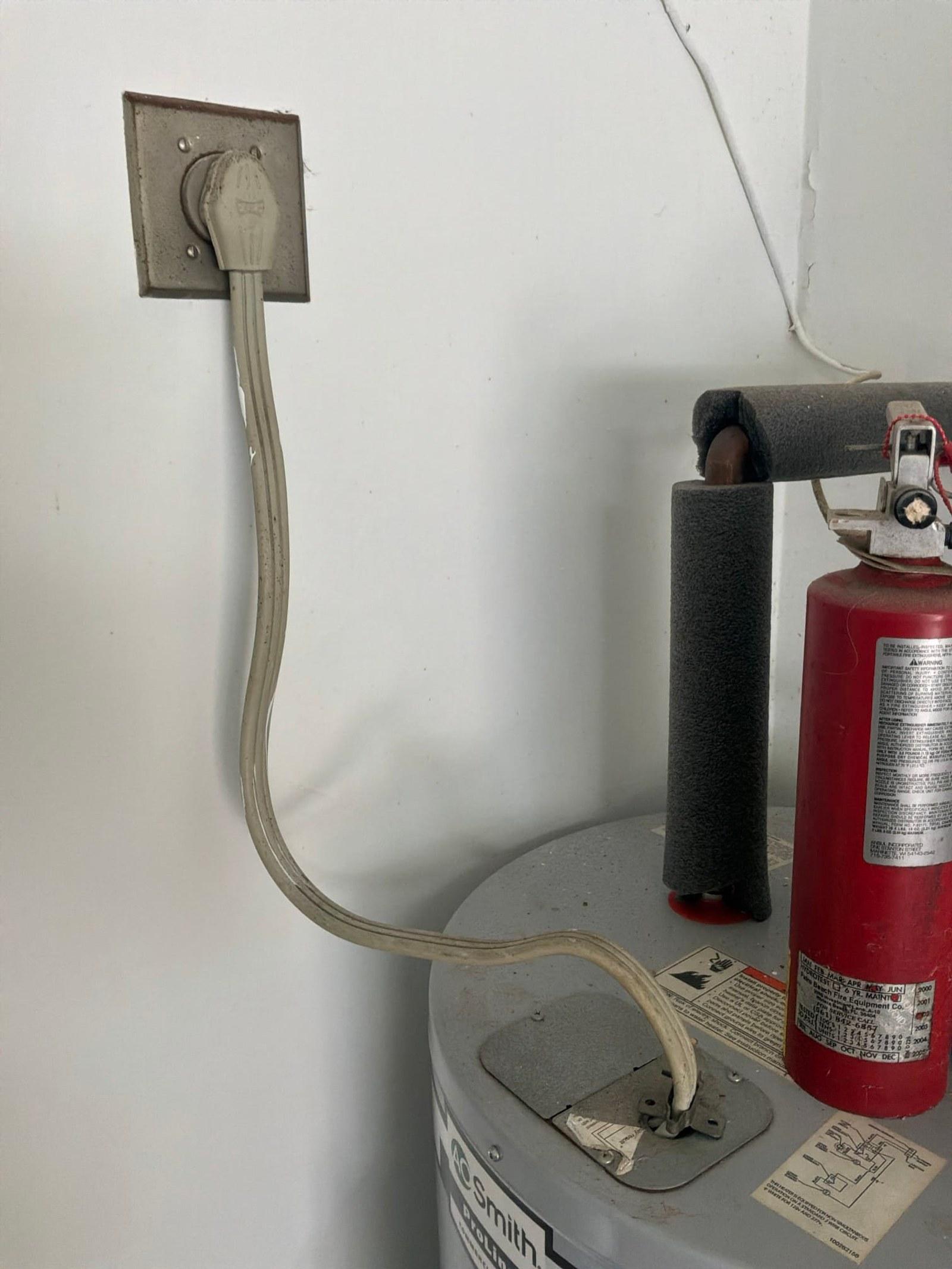
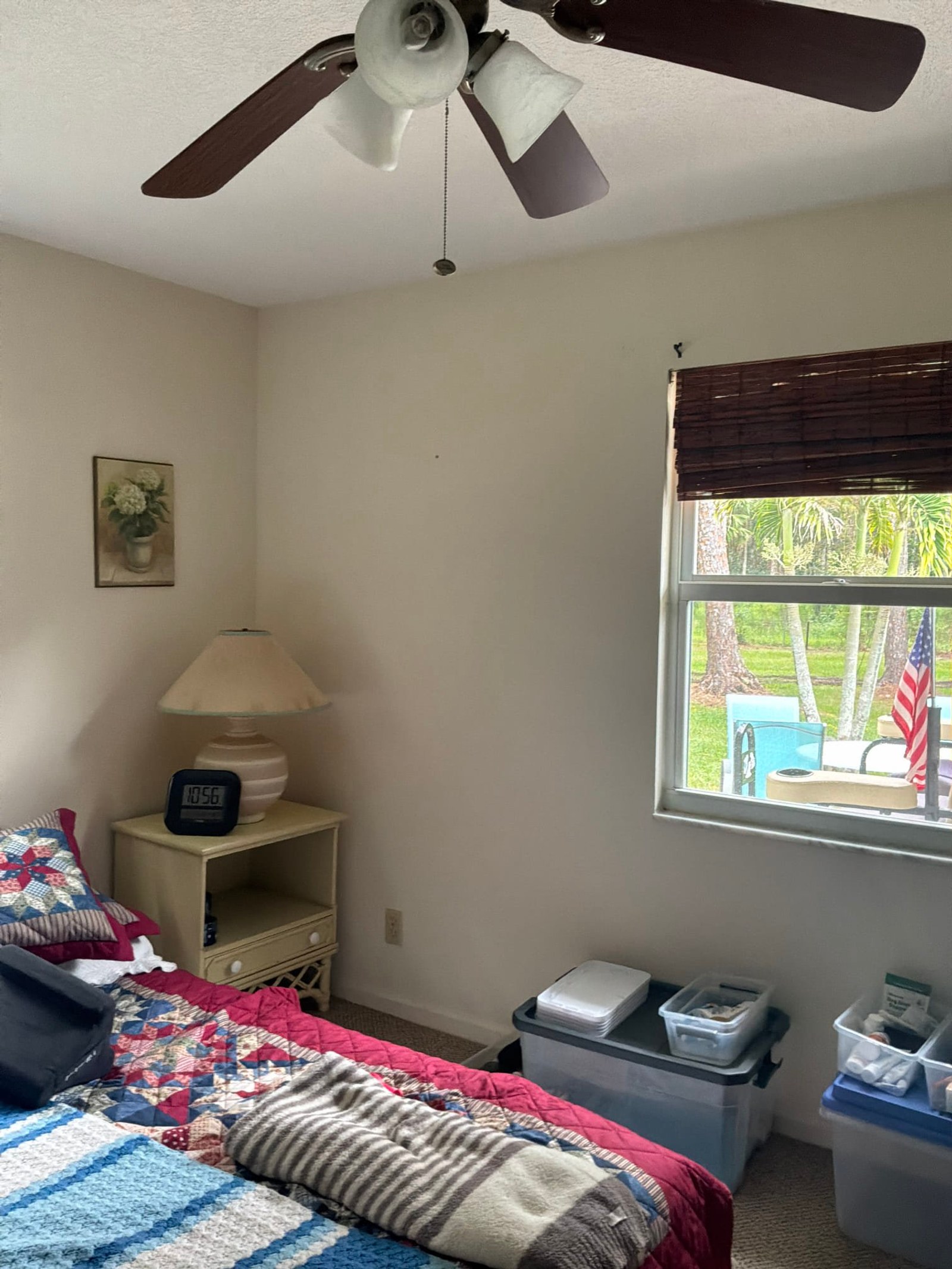
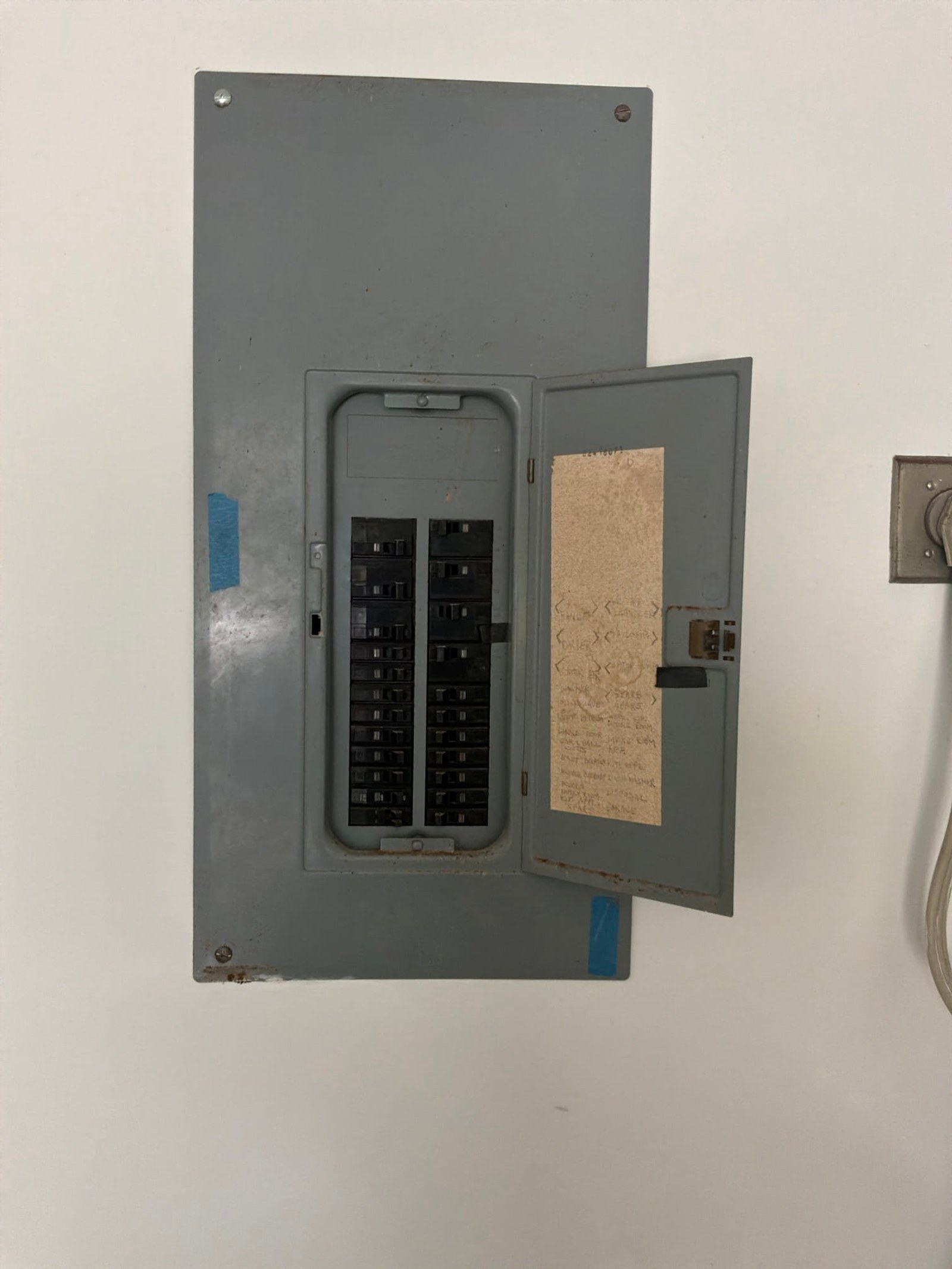
Our technician on-site conducted a walkthrough alongside the TV outlet request. Several observations came out of that visit.
Receptacle Conditions
A number of existing outlets showed signs of looseness and wear. Loose outlets are worth addressing promptly: the contact between the plug and the receptacle weakens over time, and that added resistance can lead to thermal stress on the connection. Additionally, the home’s outlets were not tamper-resistant, which is now the standard under current code for all dwelling-unit receptacles. Homes wired before the 2008 NEC cycle commonly have standard duplex receptacles throughout, so this is a typical finding for the era.
GFCI protection was also absent in areas where current code now calls for it. This is consistent with homes built under older code cycles, when GFCI requirements covered fewer locations than they do today.
Panel Observations
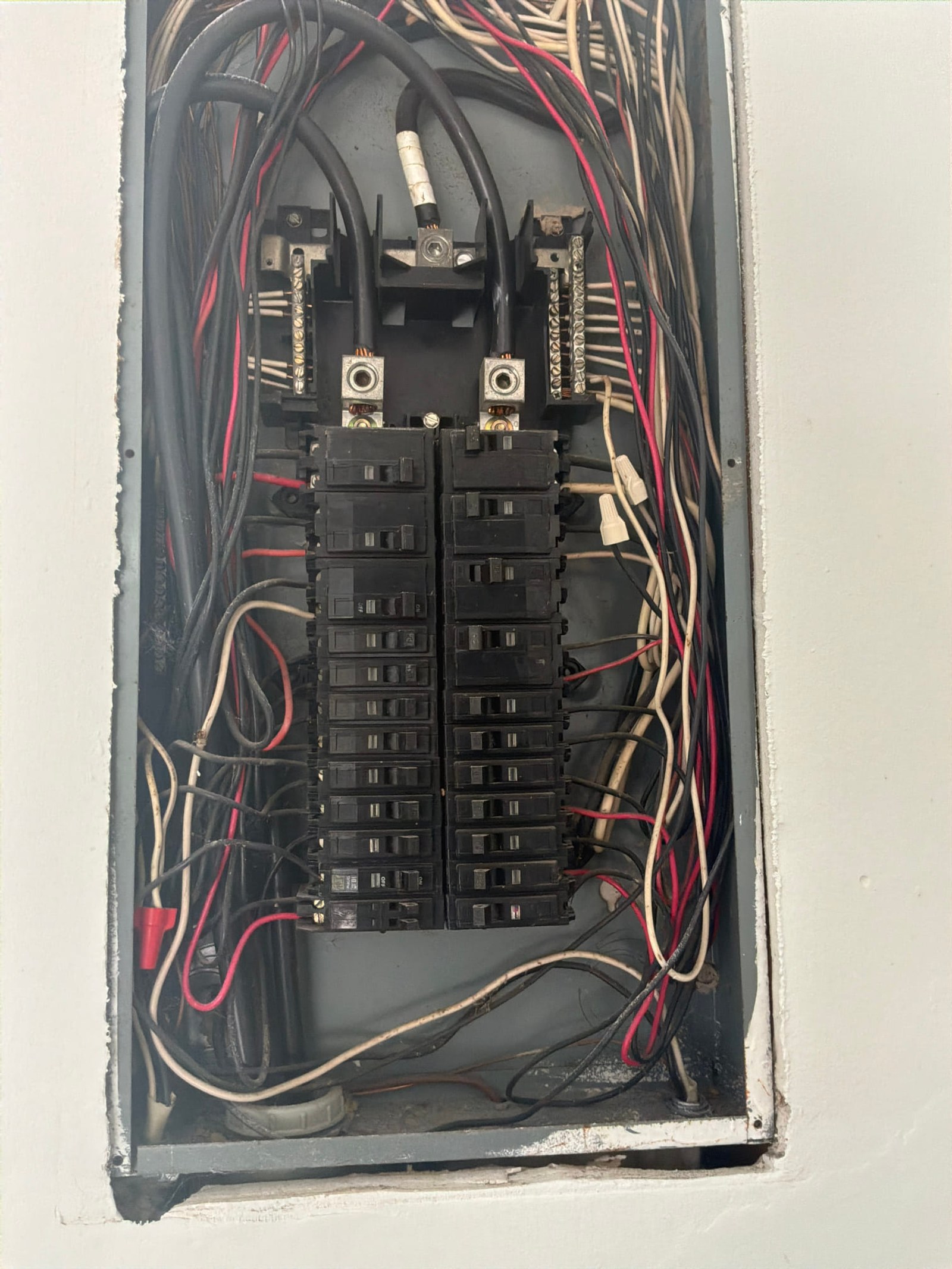
The Square D QO 200-amp panel was open for inspection. Inside, the photos show black, red, and tan conductors routed to multiple breakers, along with wiring left in place from earlier work. A section of the panel also had a cover plate not fully in place, with a cork board patch visible at the grey enclosure. These are conditions worth tidying up for a clean, organized service installation.
Additional Inspection Notes
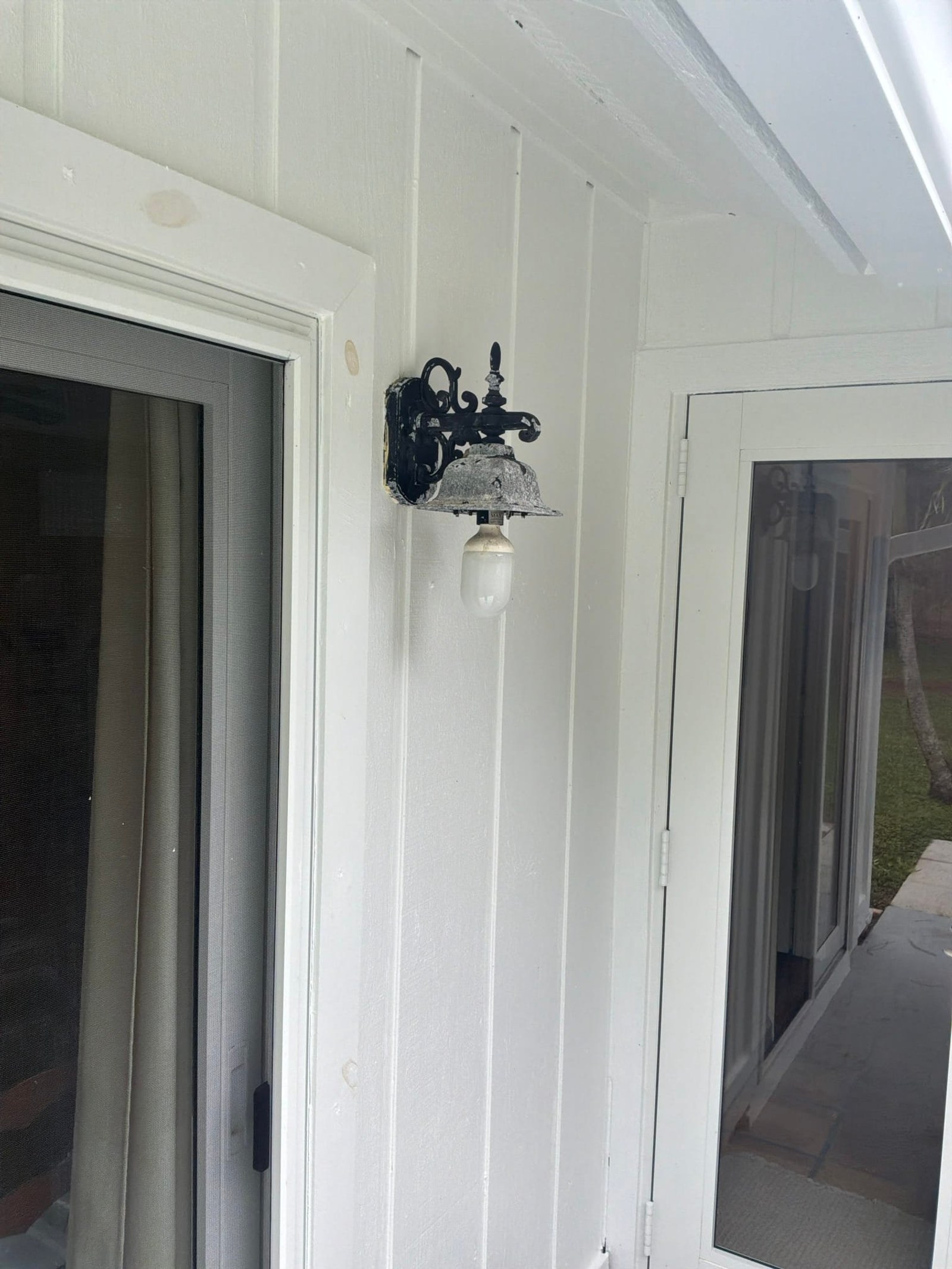
The walkthrough also flagged the absence of AFCI protection on branch circuits, no whole-home surge protection, and no standby generator or generator pre-wire. Smoke detectors and carbon monoxide detectors were noted as not meeting current requirements. These items were documented and presented to the homeowner as opportunities for future improvement.
Options We Presented
Our team put together five estimates covering different levels of scope. The options ranged from a focused solution addressing only the TV outlet installations, to broader packages that included GFCI receptacle replacements, tamper-resistant upgrades, and additional circuit work. The homeowner reviewed all five and chose the scope that best fit their immediate priorities.
Solution Selected
The homeowner selected a package that covered the three new TV outlet locations plus GFCI and tamper-resistant receptacle replacements at existing locations throughout the home. This addressed the most pressing checklist findings while completing the original TV mounting request in one visit.
Work Performed
The field team completed the following:
- Installed three single-gang cut-in (old-work) boxes to support the new outlet locations behind the wall-mounted TVs
- Ran new 14/2 Romex on a 15-amp circuit in an open area (up to 10 feet) to feed one of the new outlet locations
- Installed four 15-amp tamper-resistant duplex receptacles at existing locations
- Installed two 15-amp GFCI tamper-resistant duplex receptacles at existing locations
- Installed one GFCI receptacle with an in-use bubble cover for weatherproof protection
All new receptacles are tamper-resistant, consistent with NEC 406.12 requirements for dwelling units.
Important Materials and Equipment
Materials and equipment on the invoice for this project:
- Pass & Seymour 885-TRW Decorator Tamper-Resistant Duplex Receptacle, 15 Amp, 125 Volt – White (quantity 3)
- Mulberry 76401, 1G Decora Semi Gloss White Metal Plate (quantity 3)
- Pass & Seymour S1-22-W Single Gang, Old Work Deep Remodeler Box 22 cu.in (quantity 3)
- Pass & Seymour 1597-TRWRW 15A 125V Self-Test Tamper-Resistant Weather-Resistant GFCI, White
- Mulberry 30981, 1G Extra Duty In Use Bubble Cover
- Romex Wire 14/2 NM Price Per Foot (quantity 15)
- Pass & Seymour 1597-TRW 15A 125V Self-Test GFCI Tamper-Resistant, White (quantity 2)
Why Pricing Can Vary
Two homes with the same job on the invoice can land at different totals. On projects like this one, the total is driven by:
- Number of devices replaced
- Device type (standard, GFCI, AFCI, tamper-resistant, USB, smart or dimmer)
- Condition of the boxes and wiring behind the devices
- Backstabbed or aluminum connections that need correction
- Access and the number of rooms involved
Why This West Palm Beach Outlet Repair Matters for Homeowners
For a household in daily use, outlets that are worn or loosely gripping plugs are simply inconvenient at best and worth replacing sooner rather than later. Swapping them out with tamper-resistant receptacles means the whole family benefits from connections that hold firmly and meet the standard that new homes are built to today.
GFCI protection in the required areas is one of those updates that tends to stay invisible once it is done, and that is exactly the point. Modern GFCI outlets in kitchens, bathrooms, and other covered locations trip quickly if a fault is detected, then reset with a button press. It is the kind of quiet reliability that a household does not have to think about.
Finally, the three new TV outlet locations mean no more cords running down the wall or across the floor. Every room looks finished, and the family can arrange furniture and screens the way they want without working around a missing outlet. That kind of everyday convenience is what makes a home feel well cared for, from the inside out.
For more guidance on safe outlet placement and GFCI requirements, the Electrical Safety Foundation International and the NFPA 70 (National Electrical Code) are both excellent resources. Thomas Edison Electric holds Florida electrical contractor license EC13015487, and every job is performed to current NEC standards.
Code Compliance Cited in This Job
Every fix above maps to a specific section of NEC 2020. Each card links to NFPA’s public NEC index.
GFCI Protection
NEC 210.8 requires GFCI protection for receptacles in bathrooms, kitchens, garages, outdoors, and other specified locations in dwelling units. The inspection found GFCI protection absent in required areas of this West Palm Beach home. Installing GFCI receptacles at those locations brings the home in line with current NEC 2020 requirements. NFPA reference ›
Tamper-Resistant Receptacles
NEC 406.12 requires all receptacles in dwelling units to be tamper-resistant. The existing standard duplex receptacles in this home predated this requirement, which became widely adopted after the 2008 NEC cycle. Replacing them with tamper-resistant 15-amp receptacles satisfies the current standard. NFPA reference ›
Replacement Receptacle Requirements
NEC 406.4(D) states that when a receptacle is replaced, it must meet current requirements for that location, including GFCI protection where applicable. The GFCI receptacle replacements on this job were performed in compliance with this section, ensuring each new device meets the code that applies today. NFPA reference ›
AFCI Protection
NEC 210.12 requires arc-fault circuit interrupter protection on branch circuits supplying outlets in dwelling unit bedrooms, kitchens, and living areas. The inspection noted the absence of AFCI protection in this home, a common condition in homes wired before the NEC expanded AFCI requirements. This was documented as an opportunity for a future upgrade. NFPA reference ›
Receptacle Outlet Placement
NEC 210.52 governs where receptacle outlets must be placed in dwelling units to ensure convenient access throughout each room. The addition of new cut-in boxes and circuits for the wall-mounted TV locations supports compliance with outlet placement requirements while also meeting the homeowner’s design goals. NFPA reference ›
Common Questions
Questions homeowners ask after seeing this kind of work.
Why do the new receptacles have a shutter mechanism that makes it harder to insert a plug?
Those shutters are what make a receptacle tamper-resistant, as required by NEC 406.12 for all dwelling units. The spring-loaded shutters only open when both prongs of a plug are inserted at the same time, which is a helpful feature in any household. They work exactly like a standard outlet for everyday use, just with an extra layer of protection built in. If you have questions about the outlets we installed, schedule online and our team is happy to walk you through them.
What is a GFCI outlet and why were some replaced during this visit?
A GFCI (ground-fault circuit interrupter) receptacle monitors the flow of electricity and trips very quickly if it senses an imbalance, which can happen if a circuit is exposed to moisture. NEC 210.8 requires GFCI protection in kitchens, bathrooms, garages, outdoors, and other specified locations. The existing outlets in those areas of this home predated the current requirement, so replacing them brings the home up to today’s standard. Schedule online if you would like our team to check the GFCI coverage in your home.
How does running a new circuit for a wall-mounted TV outlet differ from using an extension cord?
A properly installed circuit terminates in a wall box and is sized for the load it serves, keeping connections clean and out of the way. Extension cords are a temporary solution and are not rated for permanent, concealed installation inside walls. The new 14/2 Romex circuit we ran provides a clean, code-compliant outlet positioned exactly where the TV mounts, so there are no cords in view. If you are planning a wall-mount project in another room, book a consultation and we can walk you through the options.
How often should I have the electrical system in my home inspected?
A yearly inspection is a good baseline for most homes, and it gives a licensed electrician the chance to spot items that have shifted since the last visit. Older homes built before 1990, and homes that have weathered recent storms, may benefit from inspections more frequently. The walkthrough on this job turned up several items worth noting beyond the original outlet request, which is exactly why a routine visit pays off. Schedule online to get an annual inspection on the calendar.
The inspection noted missing AFCI protection and no surge device. Should I be concerned?
Those findings are common in homes that were wired under older code cycles, so there is no reason for alarm. AFCI breakers and whole-home surge protection are upgrades that add reliability and comfort, especially as households run more sensitive electronics. A whole-home surge protector, for example, helps your appliances, TVs, and computers ride through the voltage spikes that come with Florida’s storm season without skipping a beat. If you would like to explore either upgrade, our team can schedule a follow-up visit and walk you through the options.
Project Photos
Electrician and Technical Reviewer
Work performed by Slater, Thomas Edison Electric field electrician serving Jupiter / West Palm Beach.
Slater, the electrician on this job, is the technical reviewer of record for this case study.
Location
This project was completed in West Palm Beach, Florida, in our Palm Beach Gardens service area.